

Buying your first home in Mid Carolina can feel complicated, but the process becomes much easier when you break it into clear steps. From getting pre-approved and defining your budget to inspections, negotiations, and closing day costs, this guide explains what matters most so you can move forward with confidence. A little preparation at the start often saves time, stress, and unexpected expenses later.
Start With Financing Before You Tour Homes
One of the smartest first steps for a first-time buyer is talking with a lender before scheduling showings. Pre-approval gives you a working price range, a better sense of your monthly payment, and a clearer picture of how much cash you may need for down payment, closing costs, and reserves. It also helps you move quickly when the right property appears, which can matter in markets where well-priced homes attract strong interest.

During pre-approval, your lender will usually review income, debts, assets, and credit history. That is the time to ask practical questions: What loan programs are available? How do taxes and insurance affect the payment? Is there room in the budget for repairs, appliances, or future maintenance? Understanding those answers early can keep your home search focused on realistic options instead of numbers that look good online but do not reflect the full monthly cost.
It also helps to avoid major financial changes during this stage. Opening new credit accounts, financing a vehicle, or moving large sums of money between accounts can create delays or alter the loan terms. Buyers who keep their documentation organized and their finances steady often have a smoother path from offer to closing.
Pre-approval is more than a budget estimate. It can also help you compare homes with confidence because you already know the payment range and cash needed to close.
Build a Search Strategy That Matches Your Budget and Priorities
Once financing is underway, the next step is building a list of must-haves, nice-to-haves, and deal-breakers. That may include bedroom count, layout, lot size, commute preferences, storage, age of the home, or access to parks, shopping, dining, and major roads. Keeping the list practical helps you evaluate homes on features that support your daily routine rather than getting distracted by cosmetic details that can be changed later.
In Mid Carolina, inventory can vary by price point, property type, and location. Some buyers may find newer construction appealing for modern layouts and updated systems, while others may prefer established neighborhoods with mature landscaping or larger lots. Looking at several areas and comparing taxes, HOA fees if applicable, and property condition can help you weigh value more accurately.
It is also useful to think in terms of total ownership cost, not just asking price. A lower-priced home that needs a roof, HVAC work, or window replacement may require more cash than a better-maintained option listed slightly higher. Touring homes with that lens can lead to more confident decisions and fewer surprises after move-in.
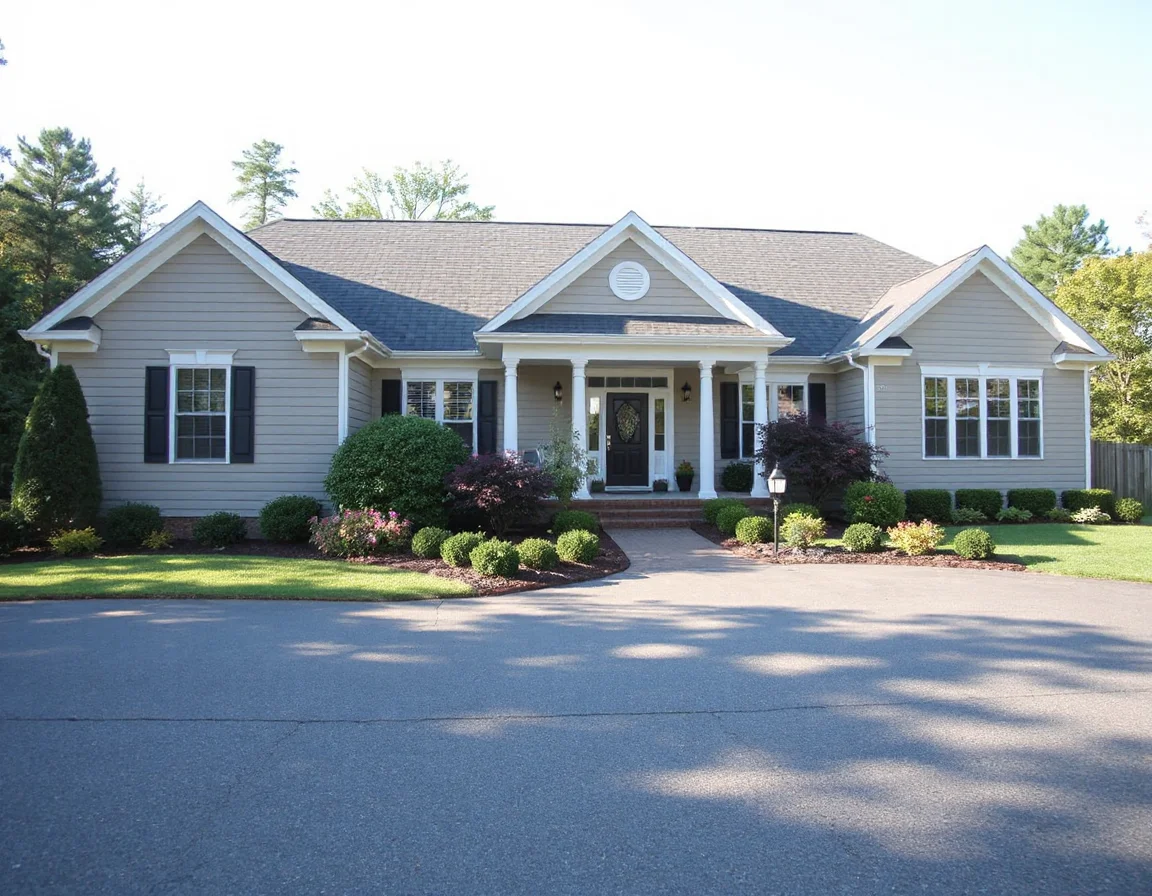
As you tour homes, take notes on condition, natural light, room flow, storage, and site features. Photos can be helpful, but a written list of observations often makes comparison easier later. This is especially important after seeing multiple properties in one day, when details can start to blend together.
A home that fits your budget comfortably may offer more flexibility for maintenance, furnishing, and future plans than stretching to the top of your approval range.
Making an Offer: Price, Terms, and Timing All Matter
When you find a home that fits your goals, the offer is about more than price alone. Terms such as earnest money, financing contingencies, inspection periods, requested closing date, and seller concessions can all influence how competitive and workable the offer feels to the seller. A strong offer balances protection for the buyer with clean, realistic terms.
Comparable sales, current inventory, days on market, and property condition all play a role in deciding what to offer. If a home is newly listed and priced in line with recent sales, buyers may need to act quickly and submit strong terms. If a property has been on the market longer, there may be more room to negotiate on price, repairs, or closing cost assistance. The key is making decisions based on current market evidence rather than guesswork.
At this point, communication and preparation matter. Having your pre-approval letter ready, understanding your comfort level on monthly payment, and knowing which repairs or credits are truly important can help you respond quickly if counteroffers come in. Buyers who decide those boundaries in advance often feel more in control during negotiations.
Inspections, Appraisal, and Due Diligence Protect the Purchase
After an offer is accepted, the transaction enters one of its most important phases: due diligence. A home inspection can identify issues with major systems, structure, moisture, roofing, electrical components, plumbing, and more. Even homes that show well can have maintenance items that are not visible during a brief tour, so this step is a valuable part of understanding the property you are buying.
Depending on the property, buyers may also consider additional inspections or evaluations, such as pest, septic, well, or specialized contractor review. Once the reports are in, there may be an opportunity to negotiate repairs, credits, or price adjustments, depending on contract terms and market conditions. The goal is not perfection, but clarity about the condition of the home and what ownership may require in the near term.
The appraisal is a separate step tied to financing. The lender orders it to confirm that the property supports the loan amount. If the appraisal comes in at value, the process continues. If it comes in low, the parties may need to renegotiate, challenge the value with better comparable data, or adjust financing. Knowing that possibility exists helps buyers stay calm if the process becomes more complex for a few days.
Throughout due diligence, keep an eye on deadlines. Missing an inspection response period, loan document request, or insurance quote window can create avoidable stress. Staying organized with a checklist and a calendar can make this stage much more manageable.
Prepare for Closing Day and the First Months of Ownership
As closing approaches, buyers typically review the closing disclosure, finalize insurance, confirm utility transfer timing, and complete a final walkthrough. The closing disclosure outlines loan terms, cash to close, prepaid items, and settlement charges, so it is worth reviewing carefully before signing day. If a number looks unfamiliar, ask about it early rather than waiting until the appointment.
On the final walkthrough, verify that the home is in the expected condition, agreed-upon repairs are complete if applicable, and included items remain in place. This is not another inspection, but it is your chance to confirm that the property matches the contract terms before funds are transferred.
After closing, the focus shifts from transaction details to ownership planning. Set aside funds for routine maintenance, change locks if desired, locate shutoff valves and utility information, and keep closing documents in one safe place. First-time buyers who build a simple post-closing plan often settle in faster and feel more prepared for the responsibilities that come with the keys.
Buying in Mid Carolina is a major milestone, and it does not have to feel overwhelming. With a clear financing plan, realistic search criteria, careful due diligence, and steady guidance from experienced professionals, the path from pre-approval to closing can be far more straightforward than many buyers expect.