

Buying a first home in The Triangle becomes much more manageable when you treat it as a sequence of practical decisions: establish a budget, prepare financing, compare homes with purpose, and protect yourself through inspections and closing. This guide explains what happens at each stage so you can move from browsing to receiving keys with a clear plan.
Start With a Budget That Works Beyond the Purchase Price
The first step is not touring homes—it is understanding what a comfortable monthly housing payment looks like in your own budget. In The Triangle, buyers may be comparing homes across Raleigh, Durham, Chapel Hill, Cary, and nearby communities, where prices, property taxes, HOA dues, insurance costs, and commute patterns can differ from one address to another. Looking at the total monthly picture early helps you focus on options that fit your plans rather than falling in love with a number on a listing page.

Begin by reviewing income, recurring expenses, savings, and any debt payments. Then set aside funds for expenses that often arrive before or shortly after closing, such as earnest money, inspection fees, appraisal costs, lender charges, moving expenses, utility setup, and immediate maintenance. A lender can explain how these items apply to a particular loan program, while your real estate professional can help identify the local costs that commonly appear in an offer and closing estimate.
It is also useful to separate your maximum approval amount from your preferred spending range. A pre-approval describes what a lender may be willing to lend based on current information; it does not have to define your personal comfort level. Keeping room in the budget for repairs, furnishings, reserves, or future goals can make homeownership feel more sustainable after the transaction is complete.
A purchase budget should include the home’s payment, estimated taxes and insurance, any HOA dues, and a reserve for expected upkeep—not only the list price.
Credit is part of this preparation, but it does not need to be a mystery. Review your credit reports for errors, avoid opening new accounts while preparing to buy, and ask a lender which documentation will be needed. Common requests include pay stubs, tax returns, bank statements, identification, and information about outstanding loans. Preparing these records in advance can reduce delays once you find a home you want to pursue.
Get Pre-Approved, Then Define Your Search Priorities
A pre-approval is one of the most useful tools for a first-time buyer. It gives you a clearer price range, helps show sellers that financing has been reviewed, and allows you to respond efficiently when a suitable property appears. Ask lenders about available loan types, down payment expectations, interest-rate options, estimated cash to close, and whether a particular property type could affect financing.
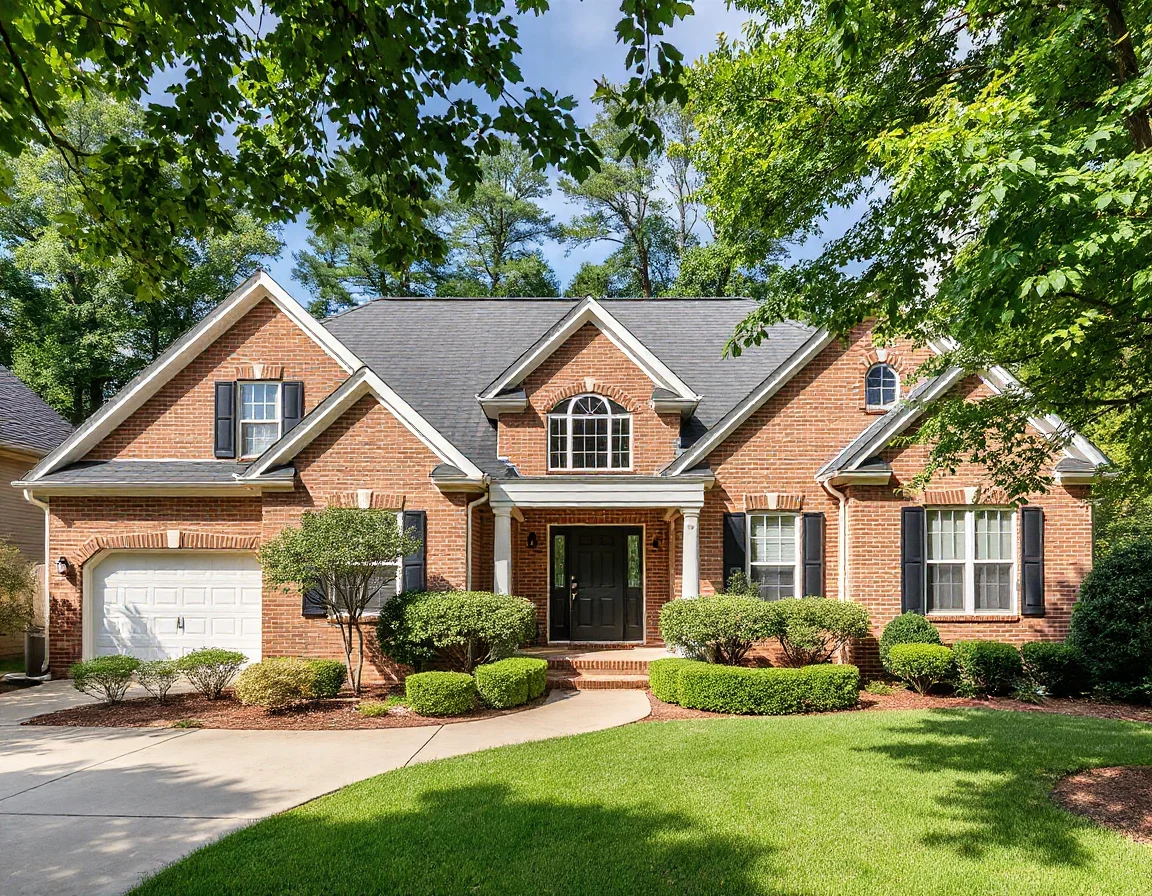
Once financing is in motion, make a short, realistic list of priorities. Consider bedrooms, bathrooms, work or hobby space, lot maintenance, parking, storage, stairs, outdoor areas, HOA guidelines, and the condition of major systems. Then add location factors that matter to your daily routine, such as estimated travel times, access to parks and greenways, grocery options, medical services, public transit routes, or proximity to the places you visit most often.
The Triangle has a wide range of housing styles, from established neighborhoods with mature trees to newer construction communities, townhomes, condos, and homes on larger lots outside the region’s core. Rather than trying to see everything, rank needs, strong preferences, and features that would be nice but are not essential. This ranking becomes especially valuable if inventory is competitive, because it helps you make decisions based on your goals instead of pressure.
At each showing, look beyond paint colors and furniture placement. Notice natural light, room flow, storage, signs of deferred maintenance, the age of visible systems, street activity, drainage, and the overall condition of nearby properties. Your agent can help you compare disclosures, recent comparable sales, and offer terms, but you should also give yourself time to process what you have seen.
Make an Offer With Clear Terms and Smart Protections
When you find a home that matches your priorities, an offer involves more than a purchase price. In North Carolina, the agreement can include due diligence terms, an earnest money deposit, financing details, requested closing dates, contingencies where applicable, and other negotiated provisions. Your real estate professional can explain the process, review comparable information, and help you prepare an offer that is responsive to the property and current market conditions.
Be ready to review the seller’s disclosures and any available documents related to the home, including HOA materials where relevant. These records can provide useful context, but they do not replace your own investigation. Ask questions about improvements, permits when applicable, utility costs, ownership history, known repairs, and items that will remain with the property.
The strongest first-home decision is rarely the fastest one. Use your due diligence period to inspect carefully, confirm costs, and evaluate the property on its condition as well as its appearance.
An inspection is a key milestone. A licensed home inspector typically evaluates visible and accessible components such as the roof, foundation, structure, electrical systems, plumbing, heating and cooling equipment, and more. The report may identify routine maintenance, recommended repairs, or concerns that deserve additional evaluation by a qualified specialist. Inspection results can inform negotiations, help you plan future maintenance, or clarify whether you want to proceed under the contract terms.
The appraisal serves a different purpose: it is generally ordered by the lender to support the loan decision. If the appraised value, loan requirements, or inspection findings create questions, stay in communication with your lender and agent. Timely responses and organized documentation are helpful throughout this period.
Prepare for Closing and for the First Months of Ownership
As closing approaches, your lender will finalize underwriting, the closing attorney or settlement professional will coordinate documents and funds, and you will review the Closing Disclosure. Compare the final numbers with earlier estimates and ask for clarification before signing if something is unclear. You will also typically complete a final walk-through shortly before closing to confirm the property’s condition and that agreed-upon items are present.
After the keys are in hand, start with a simple ownership plan. Save inspection reports, warranties, manuals, receipts, and closing documents in one place. Learn where the main water shutoff, electrical panel, and HVAC filters are located. Consider changing exterior locks or rekeying them, setting up utilities, and scheduling routine service for systems that need attention. Small, organized steps make the transition easier and help you build familiarity with the home over time.
First-time home buying in The Triangle does not require knowing every answer on day one. It requires a clear budget, dependable guidance, thoughtful research, and enough time to evaluate each decision. By moving through the process one stage at a time, you can approach your purchase with greater confidence and a practical understanding of what comes next.