

A changing inventory picture across the Triangle can create fresh options for buyers and useful signals for sellers. The key is looking beyond one headline number: price range, property condition, location, and timing can all shape the choices available for your next move.
Inventory Is More Than a Number
When people hear that housing inventory is shifting, they often picture a simple choice between a “buyer’s market” and a “seller’s market.” In the Triangle, the reality is usually more detailed. Raleigh, Durham, Chapel Hill, and surrounding communities can move at different speeds, and even two homes on the same side of town may attract very different levels of attention. A well-prepared home in a sought-after location may still receive quick interest, while a property needing updates or priced above comparable options may take longer to find its buyer.
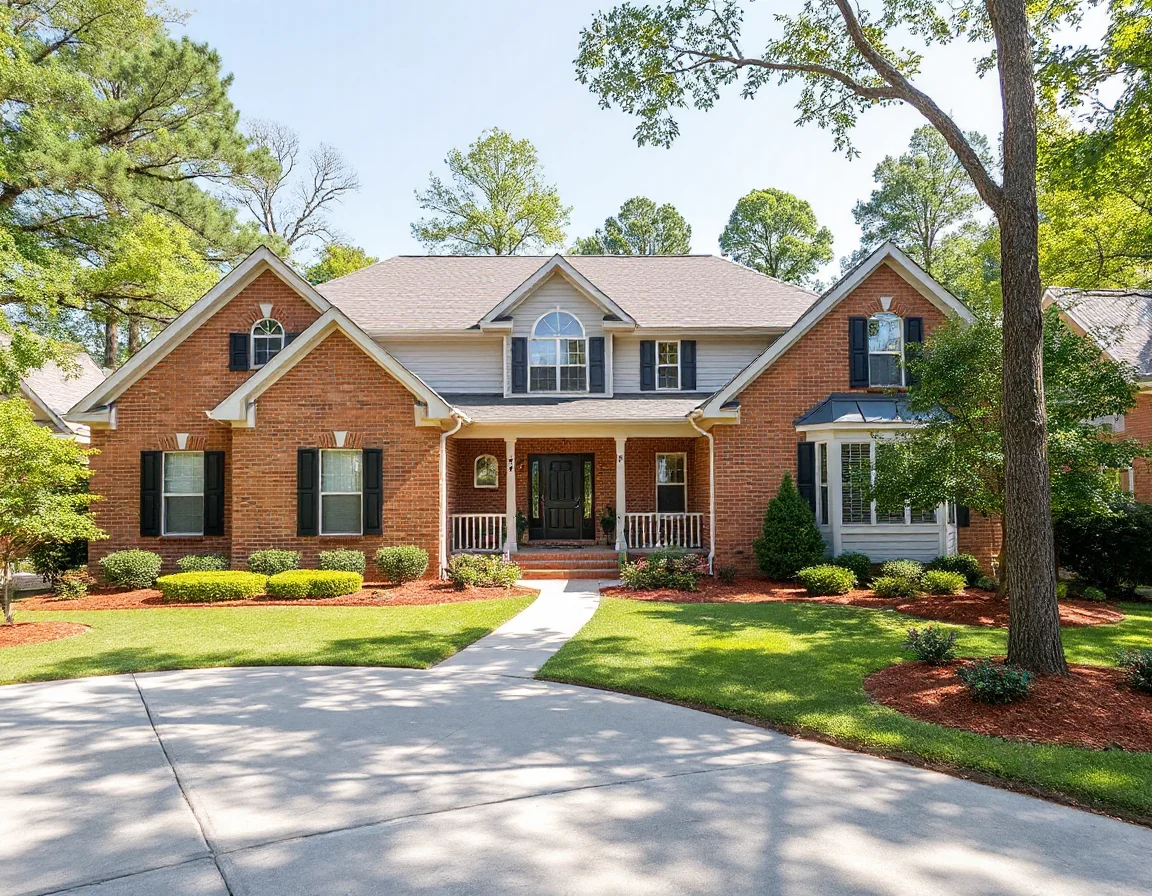
More active listings can be meaningful because they give buyers more opportunities to compare layouts, locations, condition, and monthly ownership costs before making an offer. That does not necessarily mean every listing is negotiable in the same way. Some homes are positioned carefully from day one, while others may have accumulated days on market because the original strategy did not match current buyer expectations.
For sellers, a larger selection of competing homes raises the importance of preparation. Clean presentation, realistic pricing, strong photography, and a thoughtful launch plan can help a listing stand out. It is also useful to track what similar homes are actually closing for, rather than relying only on the highest active list prices. Active listings show the competition; closed sales reveal where buyers and sellers ultimately found agreement.
In a market with more choices, the most useful comparison is not just the list price—it is the total value of location, condition, updates, financing terms, and expected repair costs.
What Buyers Can Do With More Choices
A shift in inventory can give home buyers time to make more deliberate decisions. Instead of focusing on a single listing, create a short list of non-negotiables and a second list of preferences. Consider practical details such as commute routes, lot maintenance, floor-plan flexibility, storage, utility costs, HOA requirements where applicable, and the condition of major systems. These details can be easier to evaluate when there are several homes to compare.
It can also be wise to separate “must have” features from cosmetic projects. A home with an older paint palette or dated fixtures may offer a manageable opportunity to personalize over time, while a property with significant repair needs requires a different budget and timeline. Inspection findings, renovation estimates, and the availability of contractors should all be part of the decision—not an afterthought once an offer is accepted.
Buyers considering a move to the Triangle for a new job, relocation, or PCS transition may benefit from looking at more than one part of the region. The area includes established neighborhoods, newer communities, condominium options, townhomes, rural-feeling settings, and homes near major employment centers. Each location comes with its own mix of access to greenways, parks, dining, cultural venues, medical facilities, and transportation corridors.
Search Triangle homes for sale
Why Sellers Need a Current Strategy
For homeowners planning to sell, an inventory shift does not automatically call for a price reduction before the home reaches the market. It does mean the strategy should be current. Review recent comparable sales, pending transactions, and active competition in the immediate area. Then look honestly at how your home compares in size, condition, lot features, updates, and presentation. The goal is to make the property easy for prospective buyers to understand and evaluate.

Presentation remains one of the most controllable parts of a sale. Address deferred maintenance where practical, reduce visual clutter, improve lighting, and make exterior spaces feel cared for. These steps do not require turning a home into something it is not. They help buyers see the layout, features, and potential without distractions. Clear disclosures and a plan for inspection-related questions can also make a transaction feel more predictable for everyone involved.
Timing matters, but it is not only about the season. A seller’s timing should also account for the next purchase, lease, relocation date, estate timeline, or desired closing window. In some situations, a contingent sale, rent-back arrangement, or extended closing may be worth discussing. The strongest plan is the one that fits the homeowner’s financial goals and practical needs while responding to actual local demand.
Luxury homes, downsizing options, and properties with unique acreage or design elements can require especially careful positioning. Their buyer pool may be smaller than for a broadly comparable home, but a targeted launch, accurate pricing, and patient evaluation of feedback can support a more informed decision-making process.
Read the Signals, Not the Headlines
Market headlines can be helpful, but they are broad by design. A report covering the entire Triangle may not reflect the conditions in a specific community, school district, ZIP code, or price bracket. Even within one neighborhood, the demand for a move-in-ready one-level home may differ from demand for a larger property that needs extensive renovation. That is why a local review should include both numbers and context.
Useful questions include: How many similar homes are currently available? How long have they been listed? Have there been recent price changes? Which homes went under contract quickly, and what did they offer that other listings did not? Are buyers asking for closing-cost help, repair concessions, or flexible possession dates? Answers to these questions can make a market shift feel less abstract and more actionable.
A listing that sits is not always a warning sign. It may simply be an invitation to investigate pricing, condition, seller flexibility, and the full cost of making the home your own.
Make the Next Move With a Clear Plan
Whether you are buying, selling, relocating, or coordinating an estate sale, inventory changes can create opportunities when approached with a clear process. Start with a realistic budget or pricing goal, understand the local competition, and leave room for the details that affect your timeline. A well-informed plan can help you move forward confidently without feeling pressured by every new listing or market headline.
The Triangle continues to offer a broad range of housing choices and community amenities, from greenway access and university-area culture to employment hubs and established residential streets. As conditions evolve, the best next step is not trying to predict every turn in the market. It is building a strategy around your goals, reviewing current information, and being ready to act when the right opportunity appears.