
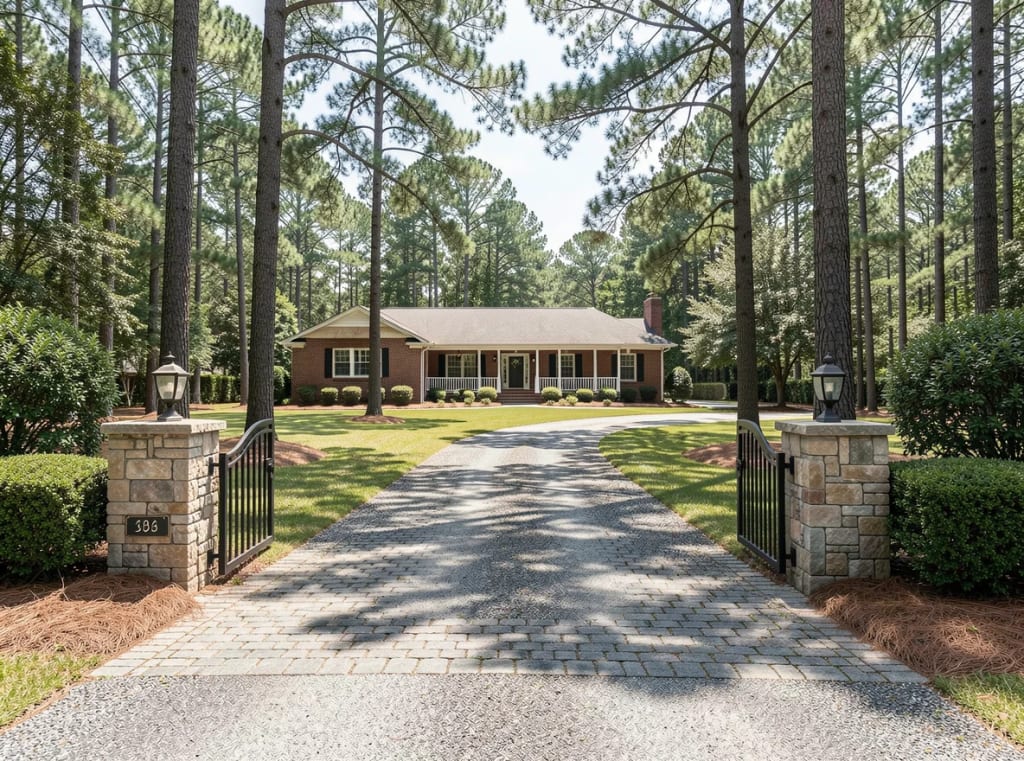
7 Fayetteville Neighborhood Clues First-Time Buyers Should Spot Before Touring
7 Fayetteville Neighborhood Clues First-Time Buyers Should Spot Before Touring
House hunting gets much easier when you know what to notice before you ever step through the front door. For first-time buyers in Fayetteville, the neighborhood often tells you as much as the listing photos do. A beautiful kitchen can distract from traffic noise, poor lot drainage, or a location that simply does not fit your daily rhythm. Learning to read those clues early can save time, sharpen your priorities, and help you tour with more confidence.
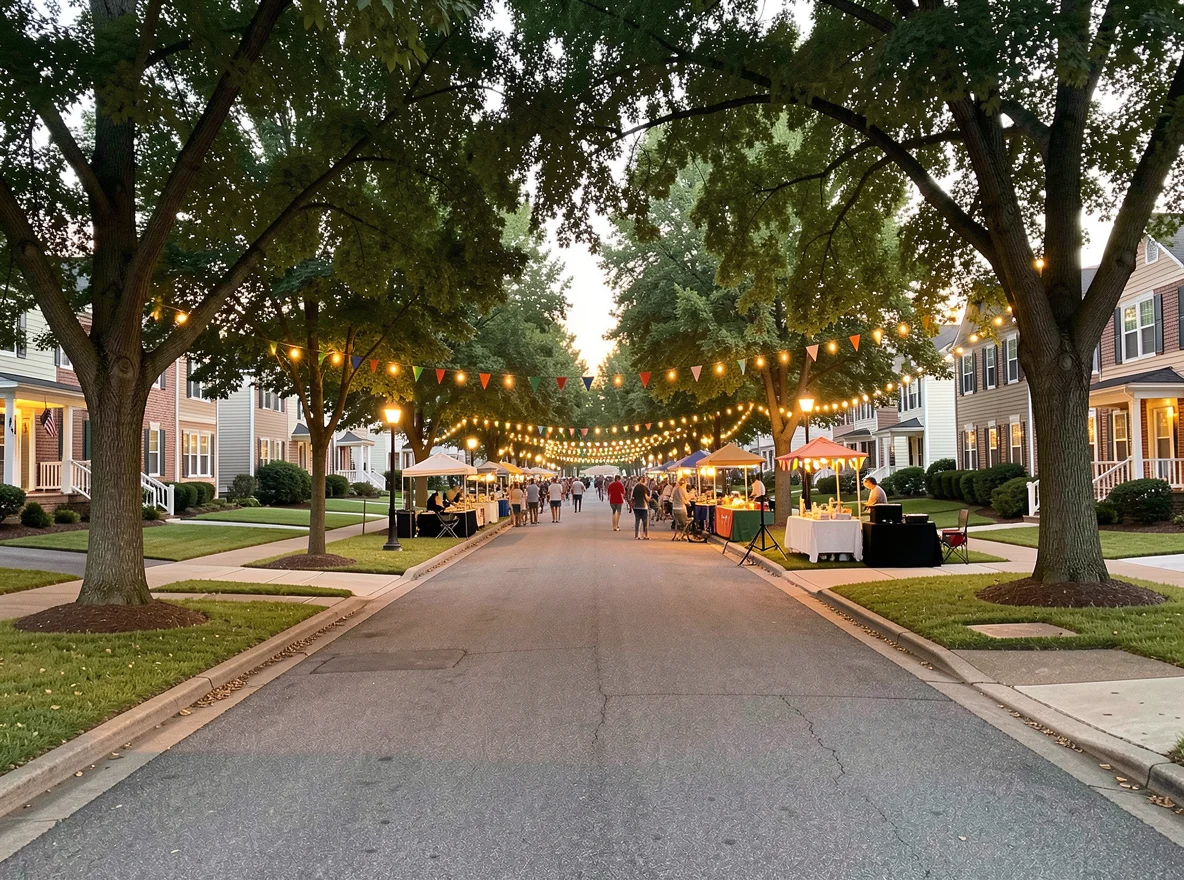
Clue #1: Watch the streets before you watch the houses. Start with the feel of the block itself. Are cars flying through, or does traffic move at a neighborhood pace? Are there sidewalks, bike-friendly shoulders, or space for evening walks? In many Fayetteville areas, small details like street width, tree cover, and how close homes sit to the road can affect both comfort and resale appeal. If the street feels tense, noisy, or overly cut-through, that feeling will not disappear once your moving boxes arrive.
Clue #2: Look at how owners maintain the spaces between the homes. Most buyers immediately judge curb appeal, but first-timers should go a step further. Check drainage swales, retaining slopes, gutters, fences, and driveway conditions across the neighborhood. If several properties show standing water marks, washed-out mulch, or patchy yard erosion, that may hint at recurring stormwater issues. In a place where summer rains can come hard, that matters. A calm, supportive real estate team can help buyers separate cosmetic imperfections from patterns that deserve closer inspection.
Clue #3: Notice the daily-life infrastructure. Good neighborhoods support ordinary routines. Pay attention to grocery access, commute routes, school proximity, parks, and whether essentials feel convenient without being too close for comfort. Fayetteville buyers often want a balance: easy access to Fort Liberty corridors, medical offices, shopping, and recreation, but also enough separation to feel residential. If every errand requires a complicated drive or a frustrating left turn into heavy traffic, the location may wear on you faster than expected.
The Clues That Reveal Long-Term Fit
Clue #4: Study the age mix and upkeep of nearby homes. A neighborhood does not need to be brand new to be a smart buy. In fact, some of Fayetteville’s most appealing areas blend established homes, mature landscaping, and steady pride of ownership. What you want to spot is consistency. Are renovations thoughtful and well-maintained, or do you see repeated signs of deferred repair? Fresh paint is nice, but roof lines, windows, porches, and foundation appearance often say more. A block where owners continue investing in their homes usually signals staying power.
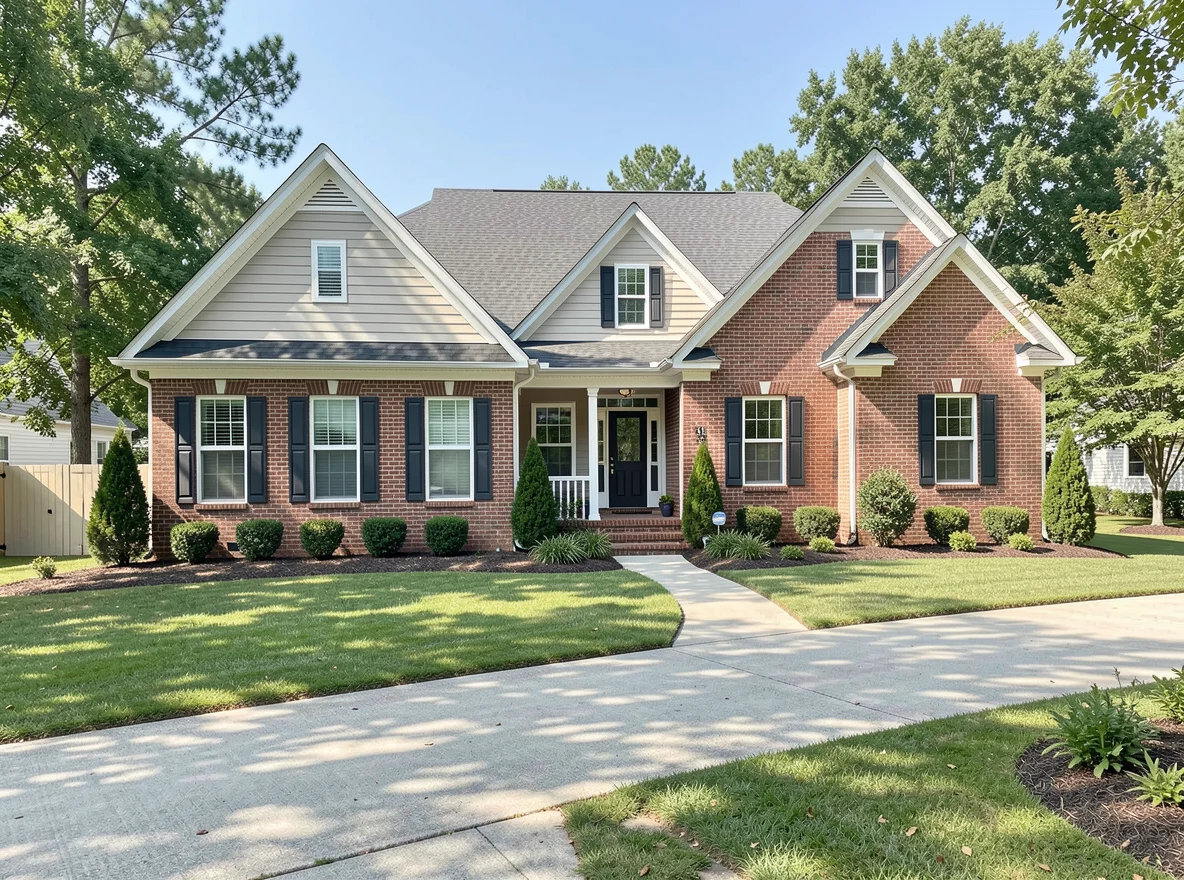
Clue #5: Pay attention to noise at different edges of the neighborhood. Some communities feel peaceful in listing photos but sit close to busy connector roads, commercial corridors, or high-activity stretches. Before touring, pull up a map and identify what borders the area. Then, if possible, drive through at more than one time of day. Morning school traffic, afternoon commuter flow, and weekend activity can all change the experience. For first-time buyers especially, understanding that difference up front can prevent emotional overcommitment to a home that does not actually fit your lifestyle.
Clue #6: Look for signs of community use, not just community marketing. It is easy to be impressed by a brochure description of green space or nearby amenities. The better question is whether people really use them. Are neighborhood parks active and cared for? Do walking paths seem inviting? Are common areas tidy? Fayetteville offers a mix of established neighborhoods, newer developments, and areas near golf, trails, and family recreation. The strongest communities usually show evidence of regular use and practical maintenance, not just attractive selling points on paper.
For buyers with children, or those planning ahead, schools and educational access remain a major part of the neighborhood equation. Even if school assignments are not your top priority today, they can shape future demand and resale value. At the same time, first-time buyers should think beyond schools alone. Consider how close you are to libraries, youth sports, fitness options, and places that support everyday routines. A home should work not only for your current budget, but also for the life you are building over the next several years.
What to Notice Before You Fall in Love With a Listing
Clue #7: Trust the pace and personality of the area. Every neighborhood has a rhythm. Some feel energetic and transitional, while others feel settled, quiet, and predictable. Neither is automatically better. The key is alignment. If you want peaceful evenings, a highly active corridor may not suit you. If you value quick access and movement, a tucked-away location might feel isolating. First-time buyers often focus so hard on price and square footage that they forget to ask whether the neighborhood matches how they actually live.
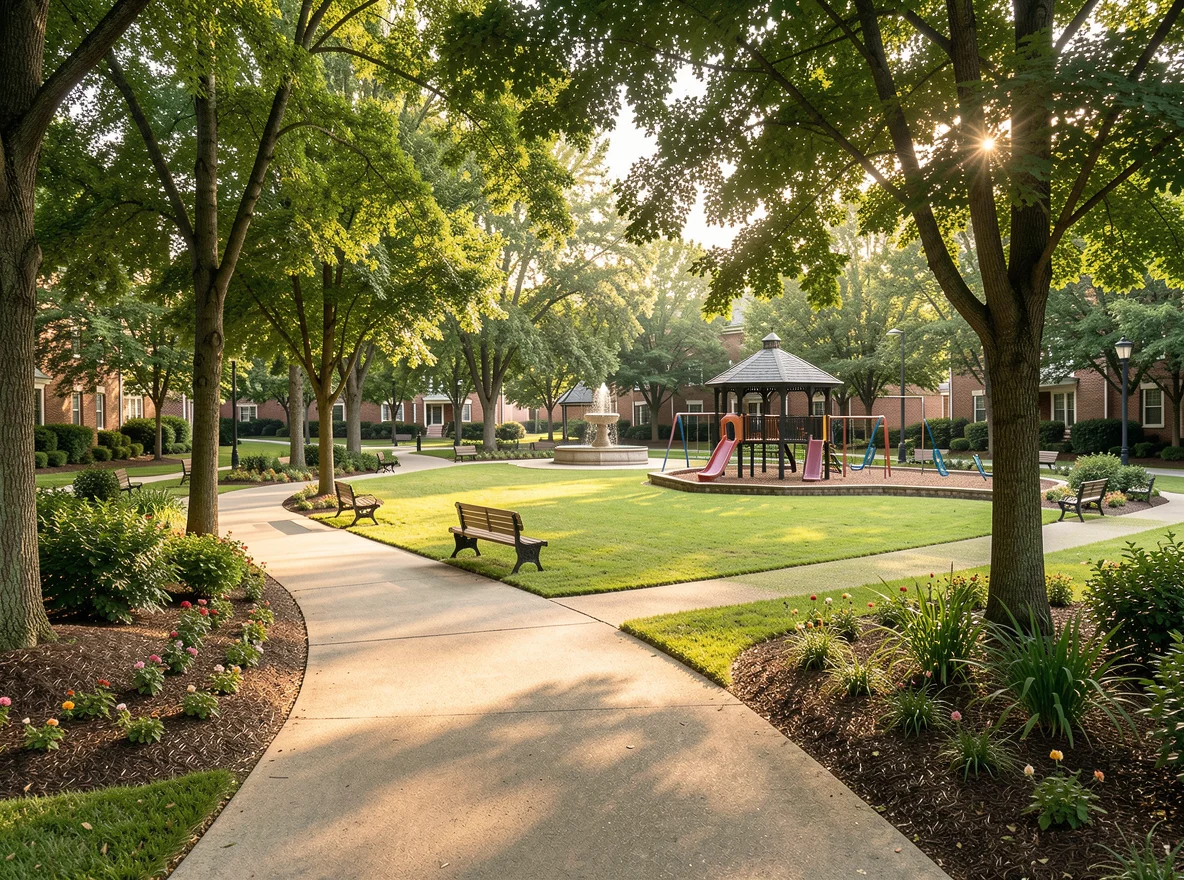
It also helps to think about value through a wider lens. Fayetteville real estate can offer compelling opportunities for first-time buyers compared with many larger North Carolina markets, but neighborhood differences still matter. Similar price points can deliver very different commute patterns, lot sizes, maintenance needs, and long-term appeal. Touring with a framework keeps you from comparing homes in a vacuum. Instead of asking only, “Do I like this house?” you begin asking, “Do I like the life that comes with this location?”
That is where working with a team-oriented real estate group can make such a difference. Buying your first home can feel exciting one minute and overwhelming the next. Having agents who stay calm during stressful moments, communicate clearly, and genuinely care about your comfort level helps you make smarter decisions. A supportive process is not about pressure; it is about helping you notice what matters, ask the right questions, and move forward with confidence when the right neighborhood appears.
Before your next tour in Fayetteville, give yourself permission to slow down and scout the surroundings first. Drive the route. Sit for a minute. Watch the flow of the street. Notice upkeep, access, noise, green space, and the overall feeling of the block. Those seven clues may not appear in the listing description, but they can tell you whether a home is truly worth your attention. And for first-time buyers, that kind of clarity is one of the best advantages you can bring into the search.