
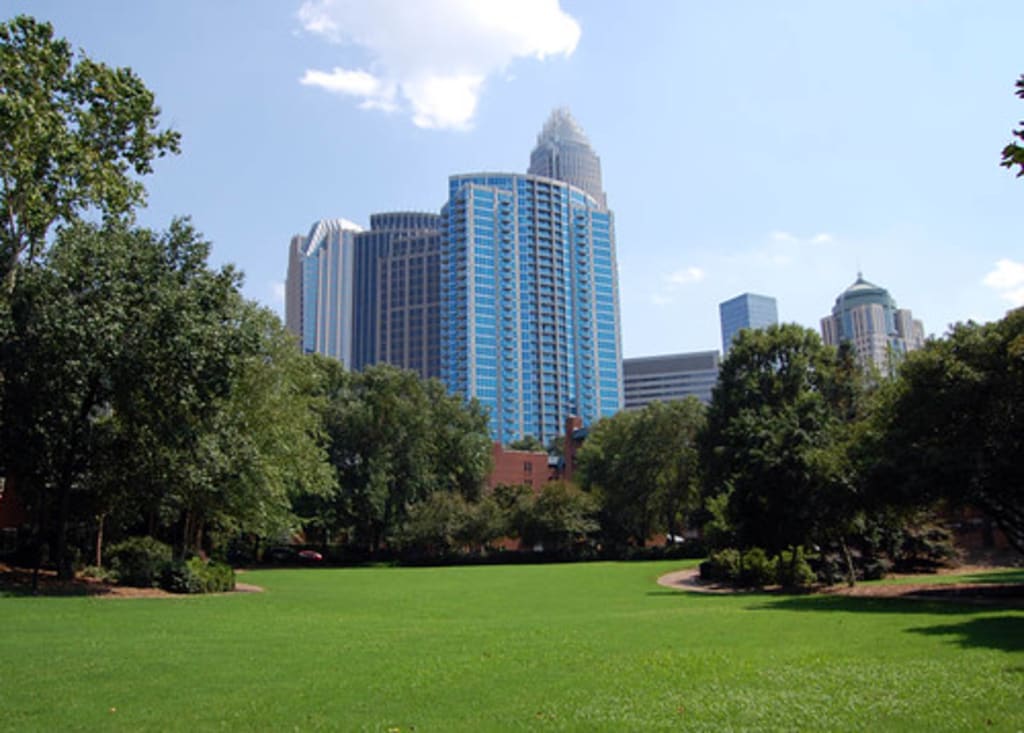
Raeford vs Hope Mills: 8 Lifestyle Differences That Matter Before You Move
Raeford or Hope Mills? What Daily Life Really Feels Like
Choosing between two communities that sit within the same broader Fayetteville-area orbit can be surprisingly difficult. On paper, Raeford and Hope Mills may look close enough to feel interchangeable, but day-to-day living tells a different story. One leans more open, spacious, and quietly rural in feel, while the other offers a more established small-town rhythm with easier access to familiar conveniences. If you are trying to decide where your next chapter should begin, the details matter.
For many buyers, the right move is not just about square footage or list price. It is about commute patterns, the kind of neighborhood atmosphere you want after work, how far you want to drive for errands, where you picture weekends unfolding, and whether you prefer a little more elbow room or a little more built-in community energy. These eight lifestyle differences can help make the choice clearer before you pack a single box.
1. Pace of life: more breathing room vs more built-in routine
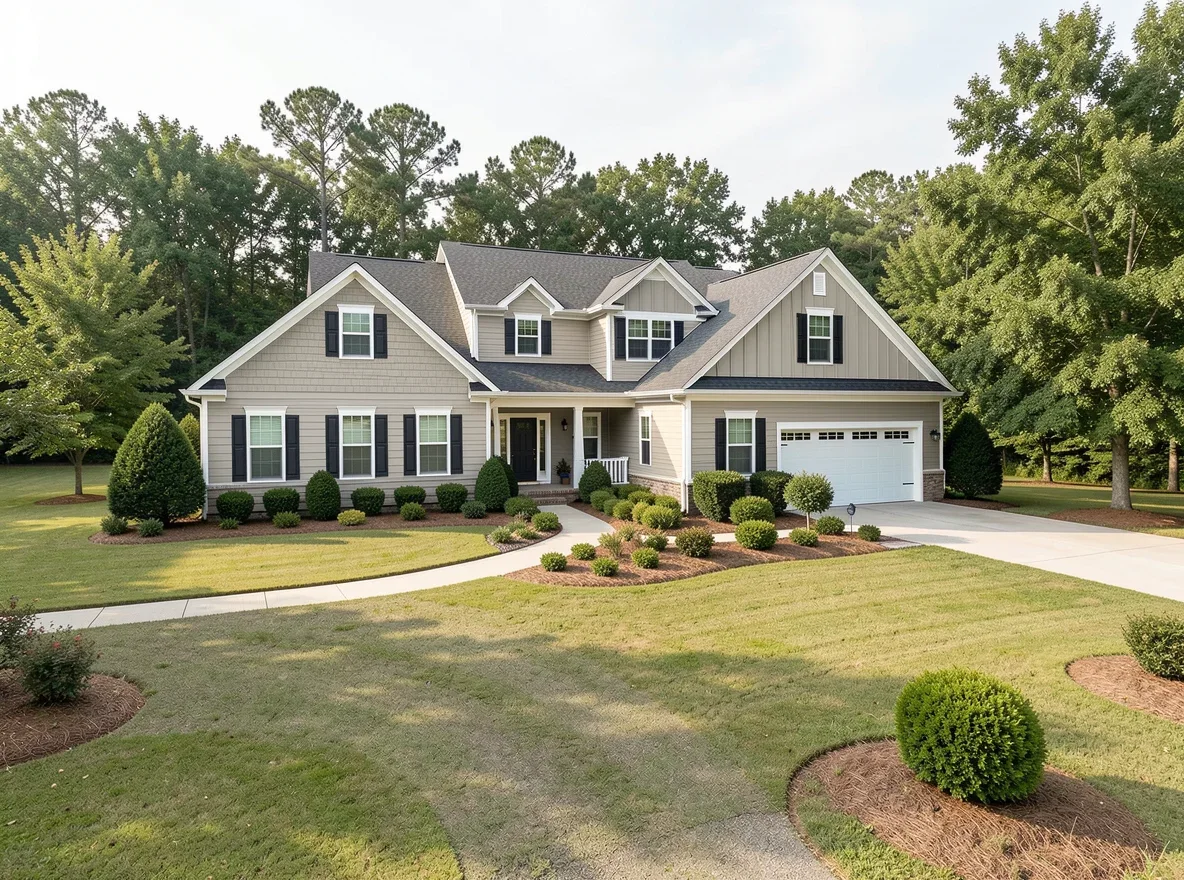
Raeford often appeals to buyers who want a little more space between themselves and the next thing on the calendar. There is a noticeably quieter feel in many parts of town, especially in neighborhoods with larger lots, newer subdivisions on the outskirts, and roads that quickly transition into open land and pine-lined stretches. That can be a real advantage if your ideal evening involves a back porch, less noise, and a sense that life is not stacked too tightly.
Hope Mills, by contrast, tends to feel more immediately connected and settled in. It has a stronger small-town center of gravity, with a rhythm shaped by established neighborhoods, schools, parks, and everyday errands that are often easier to string together. Buyers who like a community that feels a bit more active, familiar, and close at hand frequently notice that difference right away.
2. Commute patterns and access to Fayetteville
If you work in or around Fayetteville, commute time can quickly become a deciding factor. Hope Mills is often the more convenient choice for people who want faster access to major retail corridors, Fort Liberty-connected routes, and daily services without feeling like they are constantly planning around distance. Even a modest reduction in drive time can change how a workweek feels.
Raeford still serves many commuters well, especially those headed toward western or southern routes, but it usually delivers that convenience in exchange for a slightly more removed setting. Some buyers happily make that trade because coming home to a quieter environment feels worth every extra minute in the car. Others decide they would rather stay closer to the center of their regular routine.
3. Lot sizes and neighborhood layout
One of the biggest visual differences shows up in how neighborhoods are arranged. Raeford often offers more opportunities for larger lots, broader setbacks, and developments where the homes do not feel packed together. For buyers with pets, outdoor hobbies, gardening plans, or a strong preference for privacy, that extra breathing room can be a major plus.
Hope Mills includes some spacious properties too, but many of its neighborhoods feel more compact and traditional in layout. That setup can actually be a benefit if you enjoy a more connected neighborhood pattern where parks, schools, and nearby services are woven more tightly into everyday life. The question becomes simple: do you want land to spread out, or a layout that keeps things close?
Community Personality, Recreation, and Everyday Conveniences
4. Recreation styles: open space vs town-centered gathering spots
Raeford is a good match for buyers whose free time naturally trends outward. The surrounding area makes it easier to enjoy a more laid-back, low-density lifestyle, whether that means backyard entertaining, scenic drives, or simply having room for projects and play. Recreation here can feel more home-based and space-driven.
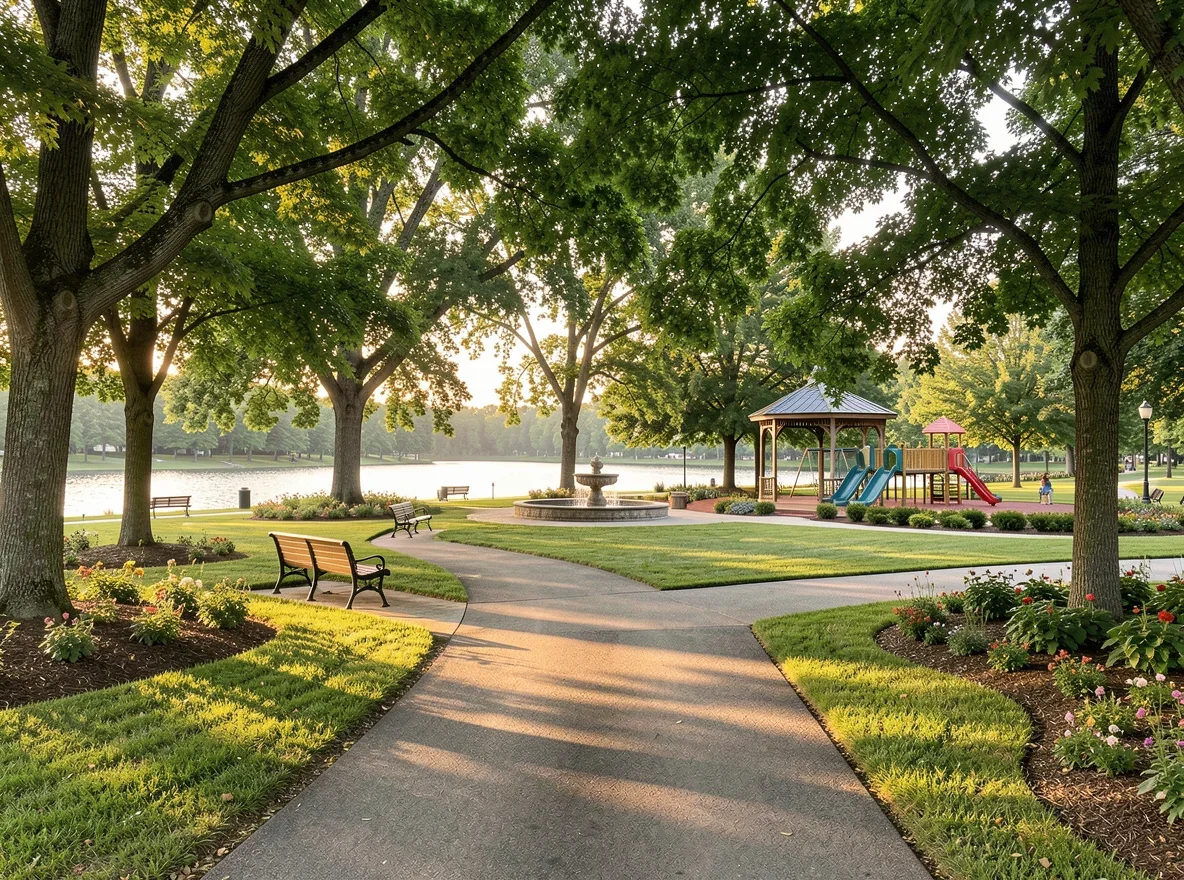
Hope Mills tends to offer recreation in a more visibly communal way. With its lake area, parks, and town-centered gathering spots, it often feels easier to plug into local events, family outings, and casual weekend activity without needing much planning. For households with children, or for anyone who likes seeing life happen around them, that can create a strong sense of belonging.
5. Shopping, dining, and errand convenience
Neither place is cut off from what you need, but the way convenience shows up is different. In Hope Mills, daily errands often feel more efficient. Grocery runs, school pickups, pharmacy stops, and last-minute plans can be easier to manage with less drive time and fewer transitions between rural and developed areas.
Raeford residents still have access to essentials, yet the experience is often more dispersed. That does not make it inconvenient so much as it changes your habits. People who live there sometimes become more intentional planners, combining trips and enjoying the tradeoff of a calmer home environment. Buyers who crave quick access to more choices may lean toward Hope Mills, while those who prioritize home atmosphere may not mind the extra logistics at all.
6. School and family feel
For many families, this comparison is less about a single statistic and more about the overall environment they want for their children. Hope Mills often feels more immediately family-oriented in a visible, day-to-day sense, with parks, youth activities, and established residential areas reinforcing that impression. It can feel easier to picture a structured weekly routine there.
Raeford, meanwhile, often appeals to families who want room to grow, newer housing options in expanding areas, and a slightly more relaxed setting outside the densest activity. That atmosphere can be especially attractive for buyers who want a neighborhood with a newer edge or a home that gives children more yard space and quieter surroundings.
Home Styles, Value, and Which Move Fits Best
7. Housing stock and the feel of the homes themselves
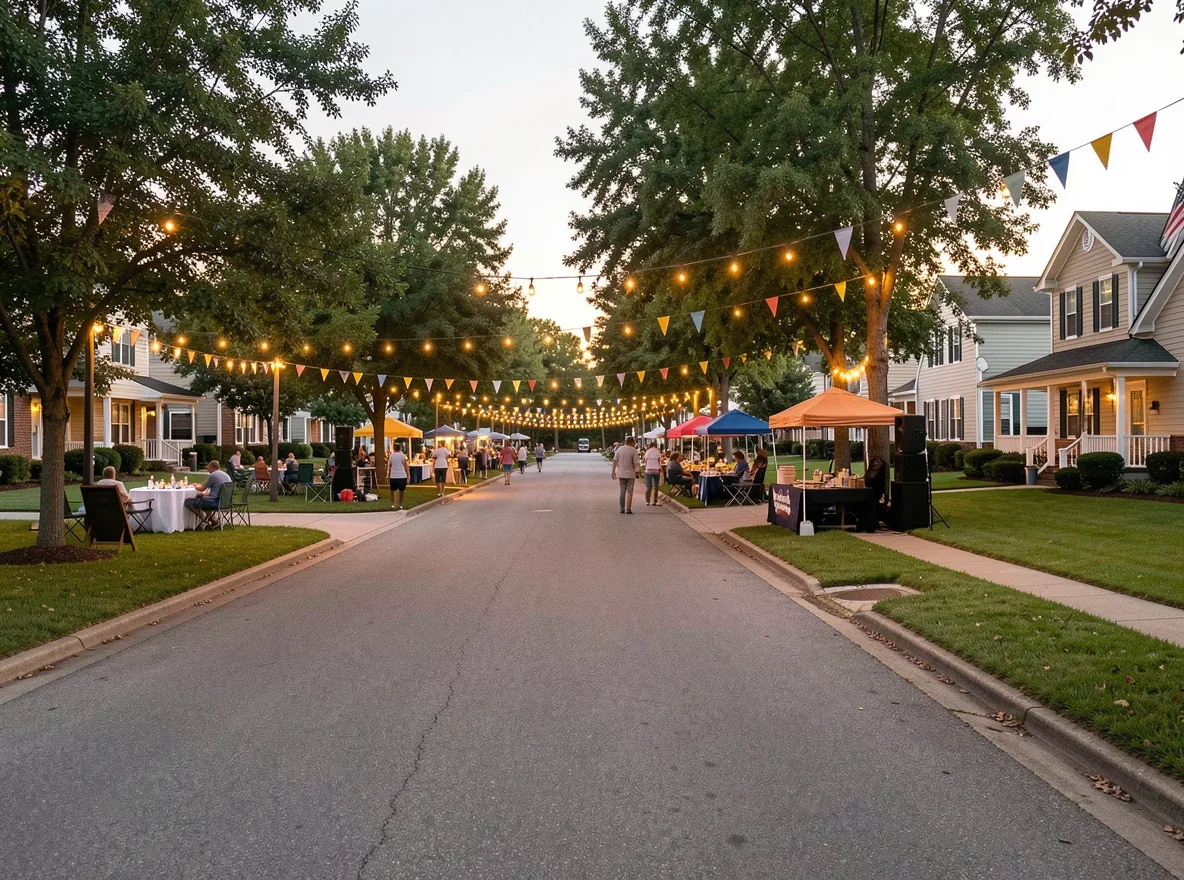
Raeford frequently attracts buyers looking for newer construction, larger floor plans, and communities where modern layouts are easier to find. If you want open-concept living, newer finishes, and a home that feels move-in ready without as many updates, Raeford may give you more options that align with that vision.
Hope Mills offers a broader mix of established homes and neighborhoods, which can mean more architectural variety and streets with mature trees and a lived-in character. Some buyers immediately connect with that sense of history and neighborhood continuity. Others prefer the cleaner slate and newer-home feel they find across more of Raeford’s inventory.
8. Perceived value: where your money feels strongest
This is where the decision becomes personal. In Raeford, buyers often feel they are maximizing space, lot size, and newer-home potential. In Hope Mills, they may feel they are buying into convenience, community structure, and a location that supports a more streamlined routine. Neither is universally better; they simply deliver value in different forms.
If your ideal life includes quieter evenings, more land, and a home that feels like a retreat, Raeford may be the stronger fit. If you want easier day-to-day access, a more established town atmosphere, and recreation woven closely into local living, Hope Mills may feel more natural. The best way to decide is to compare not just listings, but how each place supports the life you want to live once the boxes are unpacked.
That is where a calm, thoughtful real estate team makes all the difference. Buss A Move Realty Group takes a supportive, client-first approach that helps buyers sort through the practical and emotional sides of a move without adding pressure. When you are weighing communities as similar yet distinct as these two, having experienced guidance can turn uncertainty into confidence and help you choose the place that truly feels like home.