

A home inspection is one of the clearest ways to understand a property before finalizing a purchase in North Carolina’s Triangle region. The report may look detailed, but the real value comes from knowing which findings need immediate attention, which are routine maintenance items, and what questions to ask next. A thoughtful inspection strategy can help buyers move forward with facts, perspective, and a practical plan.
What a Home Inspection Is Designed to Do
Once an offer is accepted, the inspection period becomes an important time to look beyond paint colors, room dimensions, and curb appeal. A licensed home inspector provides an objective, visual assessment of readily accessible systems and components, often including the roof, foundation, exterior, plumbing, electrical panel, heating and cooling equipment, attic, insulation, doors, windows, and major interior features. In The Triangle, where homes range from historic properties to newly built residences, the age and construction style of a home can shape what deserves the closest look.
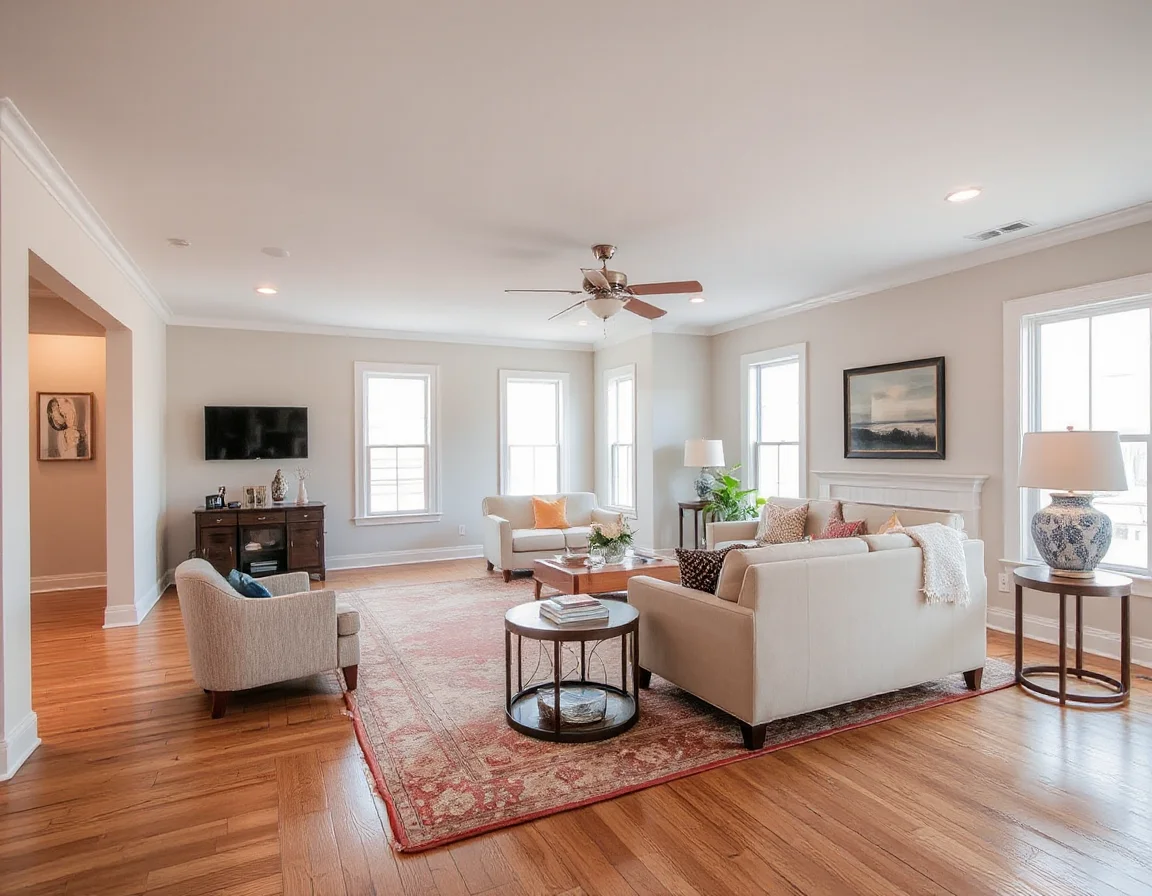
An inspection is not a guarantee that every future repair has been predicted, nor is it a pass-or-fail verdict on the house. It is a snapshot of visible conditions on the day of the appointment. Inspectors generally do not open walls, move furniture, test every outlet with a device plugged in, or assess systems that are inaccessible. That distinction matters because it helps buyers use the report as a decision-making tool rather than a list of reasons to panic.
It is also useful to remember that nearly every property produces findings. Even a recently constructed home may have adjustments, incomplete items, drainage questions, or maintenance recommendations. Older homes may have more extensive notes simply because building standards, materials, and normal wear have changed over time. The goal is to identify the condition of the property, understand likely costs or next steps, and determine whether the purchase still aligns with your plans.
A long inspection report does not automatically signal a troubled property. Focus first on safety-related conditions, active water intrusion, structural concerns, major system performance, and items that require a licensed specialist’s review.
Prepare for Inspection Day With the Right Questions
When schedules allow, attending at least part of the inspection can be extremely helpful. Reading a report is valuable; hearing an inspector explain a finding in person often adds context that photographs alone cannot provide. Ask the inspector to point out the main concerns, clarify where routine maintenance is needed, and explain what could happen if a particular item is deferred. Bring a notepad or use a phone to record your own reminders after the walkthrough.
Good questions are specific and practical. For example: Is this condition active or historical? Is there evidence of recurring moisture? Does this component appear near the end of its typical service life? Would a roofer, electrician, HVAC technician, structural engineer, plumber, or pest professional be the appropriate next resource? These questions encourage a useful conversation without asking the home inspector to provide estimates or make decisions that belong to a specialist.
The Triangle’s seasonal weather makes water management worth particular attention. Heavy rain, humid summers, and leaf accumulation can affect gutters, grading, crawl spaces, roof flashing, and exterior wood over time. A report may note signs of past moisture, inadequate drainage, or a recommendation for further evaluation. Those notes are not conclusions by themselves, but they are excellent prompts for gathering more information before the due diligence period ends.
Buyers should also make sure the inspection scope matches the property. Depending on the home, additional evaluations may be appropriate for radon, wood-destroying insects, septic systems, private wells, pools, fireplaces, older electrical systems, or specialized roof materials. A real estate professional can help coordinate timing and keep track of the contractual deadlines, while qualified specialists provide opinions within their own fields.
Review the home buying process
How to Read the Report Without Getting Overwhelmed
Most reports organize findings by major system and may use labels such as safety concern, repair, monitor, improve, or maintenance. Start by reading the summary, then review the full report carefully so the summary does not become detached from the inspector’s details. Photos, locations, and explanatory notes can reveal whether an item is a minor correction or a condition that deserves further investigation.
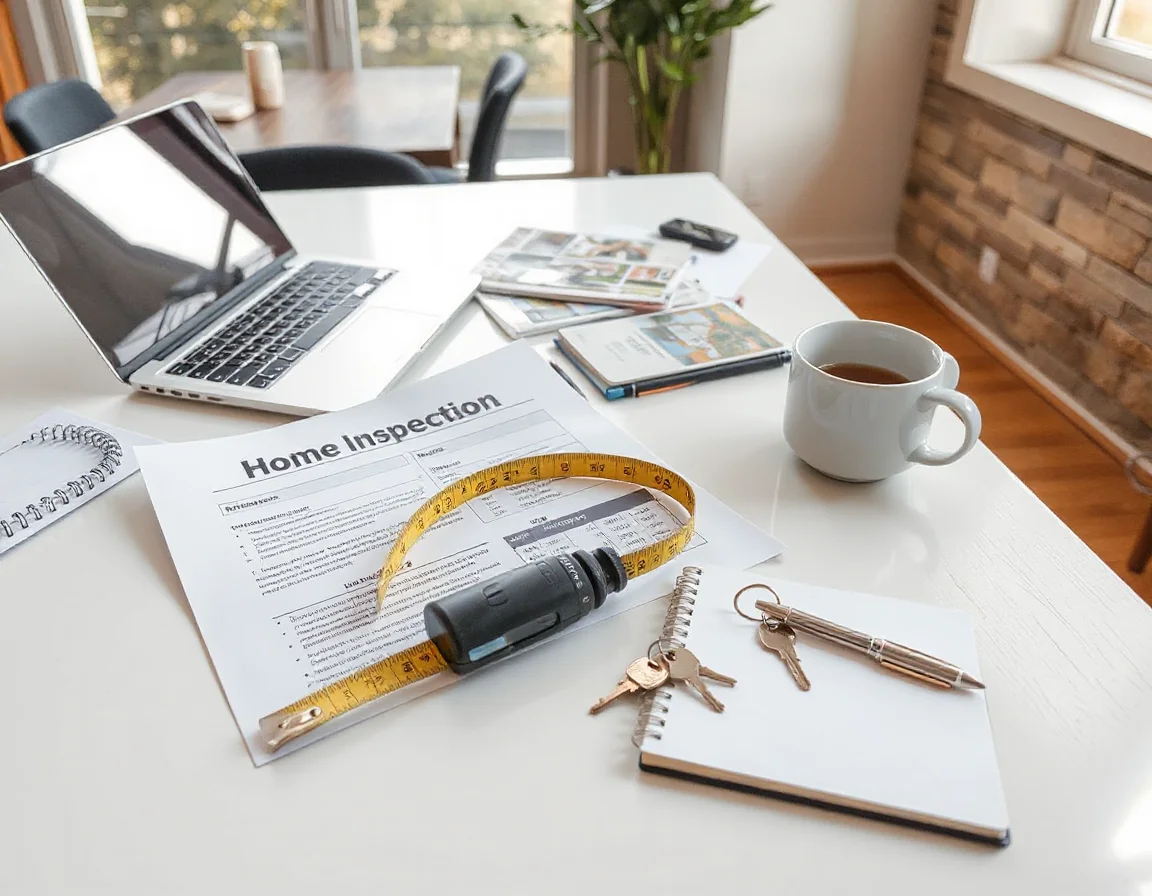
Try grouping findings into three categories: items needing prompt specialist review, repairs or maintenance to plan for, and observations to monitor after closing. This approach turns an intimidating document into a workable list. For instance, a missing caulk bead may be a maintenance task, while an active leak at a supply line calls for faster attention. A recommendation to consult an electrician about an older panel is not the same as an inspector diagnosing a specific electrical failure; it is a signal to obtain expert input.
Cost is naturally part of the conversation, but avoid assigning numbers too quickly. Repair pricing can vary based on access, material availability, permits, contractor schedules, and the scope uncovered during a specialist visit. Obtain estimates from appropriately licensed professionals whenever possible. A clear estimate can help distinguish a straightforward repair from a larger project and gives buyers better information for decisions during the due diligence process.
For buyers considering a distinctive older property, a larger home, or a residence with additions and upgrades completed over different periods, documentation is especially valuable. Ask for available permits, invoices, warranties, service records, and information about major replacements such as the roof or HVAC equipment. These records complement the inspection and create a more complete picture of the home’s history.
Turning Findings Into a Sensible Negotiation Plan
After the inspection, the next step is not necessarily to request every repair mentioned in the report. A measured strategy typically centers on material conditions, safety issues, significant defects, and items that were not reasonably apparent before the offer. Cosmetic wear, aging fixtures, and ordinary maintenance may be part of owning any home, particularly when the price and condition were considered during the initial offer.
Communication is strongest when requests are clear, documented, and tied to the inspection findings or specialist evaluations. Depending on the contract and the situation, buyers may decide to request repairs, seek a credit where permitted, renegotiate based on new information, proceed without changes, or end the agreement within the applicable due diligence terms. The appropriate path depends on the property, contract deadlines, inspection results, and each buyer’s comfort with the work ahead.
Use the inspection period to make decisions before deadlines arrive, not to wait for a perfect report. Scheduling specialists promptly leaves room to compare information and consider options carefully.
It is equally important to keep the overall purchase in view. A home with a manageable repair list may still be an excellent fit for its location, layout, condition, and price point. Conversely, multiple findings affecting water, structure, electrical systems, and mechanical equipment may deserve a more detailed conversation. The most useful outcome is not a flawless house; it is a well-informed choice supported by reliable information.
Confidence Comes From Clear Information
A successful inspection process combines preparation, careful reading, timely follow-up, and realistic expectations. Keep copies of the report, specialist estimates, receipts, and repair documentation in one place. If you move forward with the purchase, those records can become a practical maintenance reference for the years ahead.
Buying in The Triangle means evaluating more than a home’s visible finishes. It means understanding how the property functions, what it may need now, and how to plan responsibly for future care. With a qualified inspector, the right specialists, and a steady approach to the findings, buyers can move from uncertainty to a clearer, more confident next step.