

An appraisal is more than a lender checkbox: it can affect the purchase price, financing plan, negotiation strategy, and closing timeline. Understanding how value is supported in The Triangle helps buyers prepare stronger offers and helps sellers make practical decisions before a listing goes live.
Why the Appraisal Matters After an Offer Is Accepted
In a real estate transaction, the contract price and the appraised value are related, but they are not the same thing. A buyer and seller may agree on a price based on the home’s condition, location, competition, timing, and terms. When financing is involved, however, the lender typically orders an independent appraisal to help confirm that the property supports the loan amount. That report can become an important decision point for everyone involved.
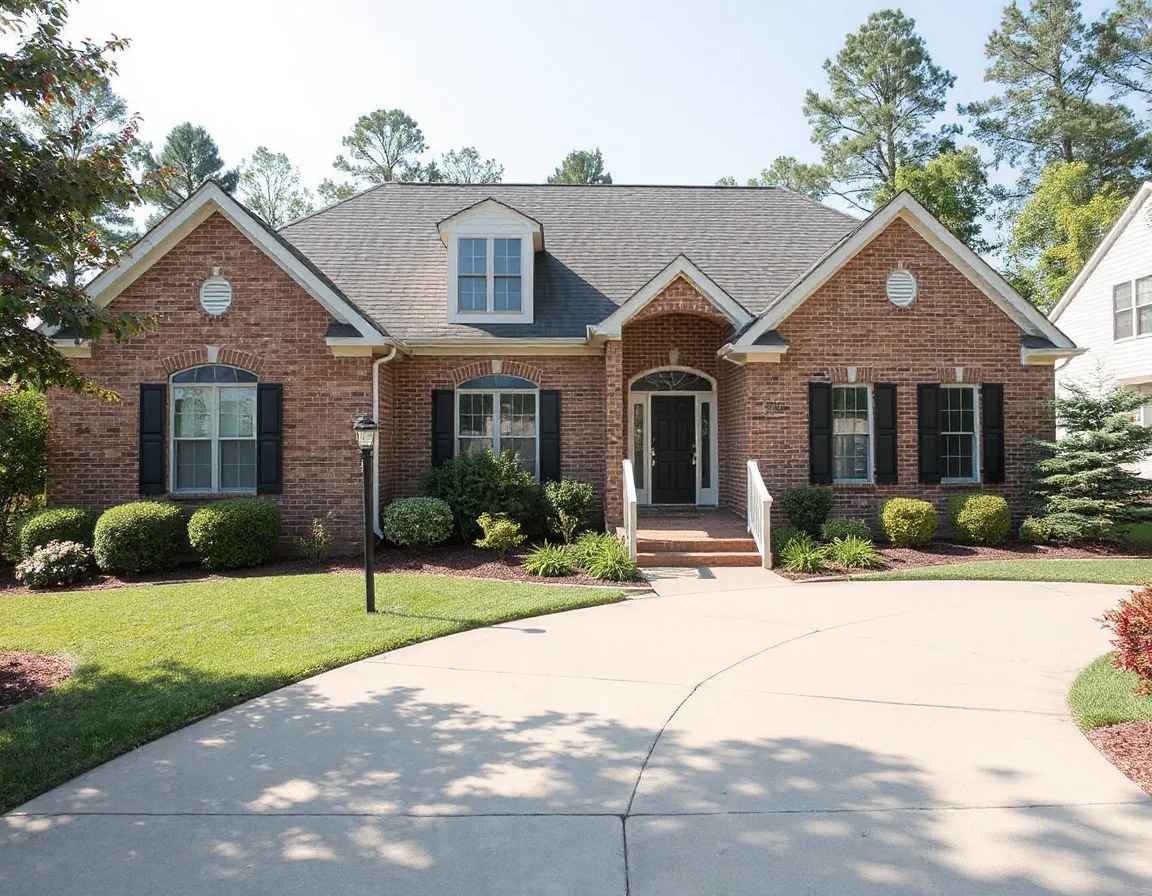
The appraiser is not setting a home’s sale price or predicting exactly what every buyer will pay. Instead, the appraiser analyzes the property and compares it with recent, relevant sales. In The Triangle, that often means looking closely at similar homes in the immediate area while accounting for differences in square footage, lot characteristics, condition, updates, bedroom and bathroom count, garages, and other features that influence value.
Because The Triangle includes a broad range of housing—from established neighborhoods near Raleigh and Durham to newer construction and communities throughout surrounding counties—comparable sales can look different from one location to the next. A home with a renovated kitchen, flexible workspace, screened porch, or substantial lot may have features that require thoughtful comparison rather than a simple price-per-square-foot calculation.
For buyers, the appraisal matters because most lenders base the loan-to-value calculation on the lower of the contract price or appraised value. If a property appraises at or above the contract price, the financing process can generally continue as planned, assuming the buyer meets the lender’s remaining requirements. If it comes in lower, the parties may need to revisit the numbers, the terms, or both.
A strong offer is not only about the headline price. Financing type, appraisal provisions, earnest money, closing timeline, and the available comparable sales can all shape how an offer performs once the appraisal is ordered.
For sellers, an appraisal can validate the pricing strategy, but it should not be treated as a substitute for preparation. Thoughtful pricing begins before the sign goes up: reviewing recent sales, considering active competition, documenting meaningful improvements, and understanding how the home compares with nearby alternatives. An accurate presentation gives the market—and later, the appraiser—clear context for the property’s value.
What Appraisers Typically Consider
Appraisers follow professional standards and lender guidelines, but every report is built around the specific property. They evaluate the home’s physical characteristics and use market data to develop an opinion of value. The process is evidence-based, and the most useful evidence usually comes from closed sales rather than asking prices.
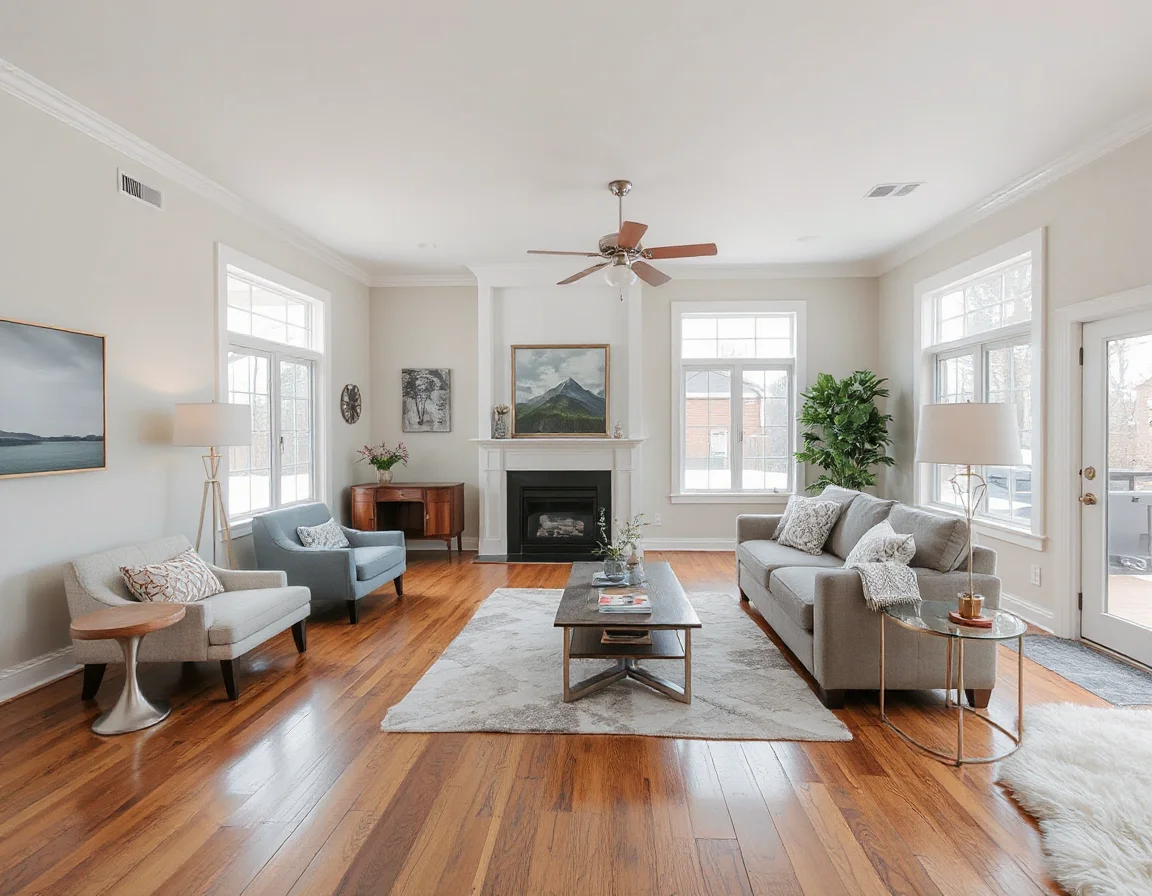
Common factors include the home’s age, gross living area, functional layout, condition, construction quality, site features, and visible upgrades. Appraisers may also consider whether the home has features commonly found in comparable properties, such as a garage, outdoor living area, additional finished space, or a renovated primary bathroom. Not every improvement returns its full cost dollar for dollar, but well-documented updates can help clarify the property’s condition and market position.
Location is evaluated through objective market data. The appraiser may examine proximity to transportation routes, employment centers, parks, retail corridors, universities, and other area amenities when those factors are reflected in comparable sales. The goal is not to make lifestyle assumptions about future residents; it is to identify measurable influences on buyer demand and recent sale prices.
It is also important to remember what an appraisal is not. It is not a home inspection, so it does not provide a complete assessment of every system or repair need. It is not a guarantee of future resale value, either. Markets can change, inventory can shift, and buyer preferences can evolve. The appraisal is a snapshot of value based on the available information at a specific point in time.
In fast-moving market conditions, comparable sales may lag behind current contract activity. In slower conditions, active listings may show where competition is building but do not necessarily establish value on their own. This is why careful local analysis matters: a well-supported price considers both the closed-sale evidence and the present-day choices available to buyers.
Review the home buying process
When the Appraisal Is Lower Than the Contract Price
A low appraisal does not automatically end a transaction. It creates a conversation about options. Depending on the contract language, the buyer’s financing, and the goals of both parties, possible next steps may include renegotiating the price, adjusting other terms, contributing additional funds, seeking a reconsideration of value when there is relevant supporting information, or deciding not to move forward.
Buyers should start by reviewing the appraisal with their lender and real estate professional. Questions worth asking include whether the report used appropriate comparable sales, whether material features were missed, and whether there are factual errors in the property description. A reconsideration request is not simply a request for a higher number; it should be supported by credible, relevant data that may not have been considered.
Sellers can help before and during the appraisal process by making the property accessible, presentable, and easy to understand. A concise list of improvements, permits where applicable, warranties, dates of major replacements, and information about unique features can be useful context. It is wise to focus on factual details rather than attempting to direct the appraiser toward a predetermined result.
Documentation can matter most when an improvement is not immediately obvious—such as a new roof, upgraded mechanical systems, insulation work, drainage improvements, or permitted finished space.
A lower value can feel discouraging, particularly after a competitive offer situation. Still, a measured response often produces better results than a rushed one. The right path depends on the buyer’s financing structure, the seller’s timeline, the contract terms, and the strength of the available market evidence.
Preparing for a Confident Decision in The Triangle
Whether you are planning to buy or sell, the best appraisal strategy begins early. Buyers can review comparable sales with their agent before writing an offer, discuss loan options with a lender, and understand how an appraisal contingency works in the chosen contract. This preparation makes it easier to weigh price against the home’s features, condition, and the surrounding market data.
Sellers can benefit from a pre-listing review that identifies the home’s most relevant strengths and likely competition. Clean presentation, completed maintenance, accurate square-footage information, and a realistic pricing plan all contribute to a more organized process. For homes with distinctive architecture, extensive renovations, estate considerations, or limited nearby comparables, detailed preparation is especially valuable.
The appraisal is one part of a larger transaction, but it often brings the market’s evidence into sharp focus. By approaching it with preparation, clear documentation, and realistic expectations, buyers and sellers can make decisions that support their financial goals and keep the process moving forward with fewer surprises.