
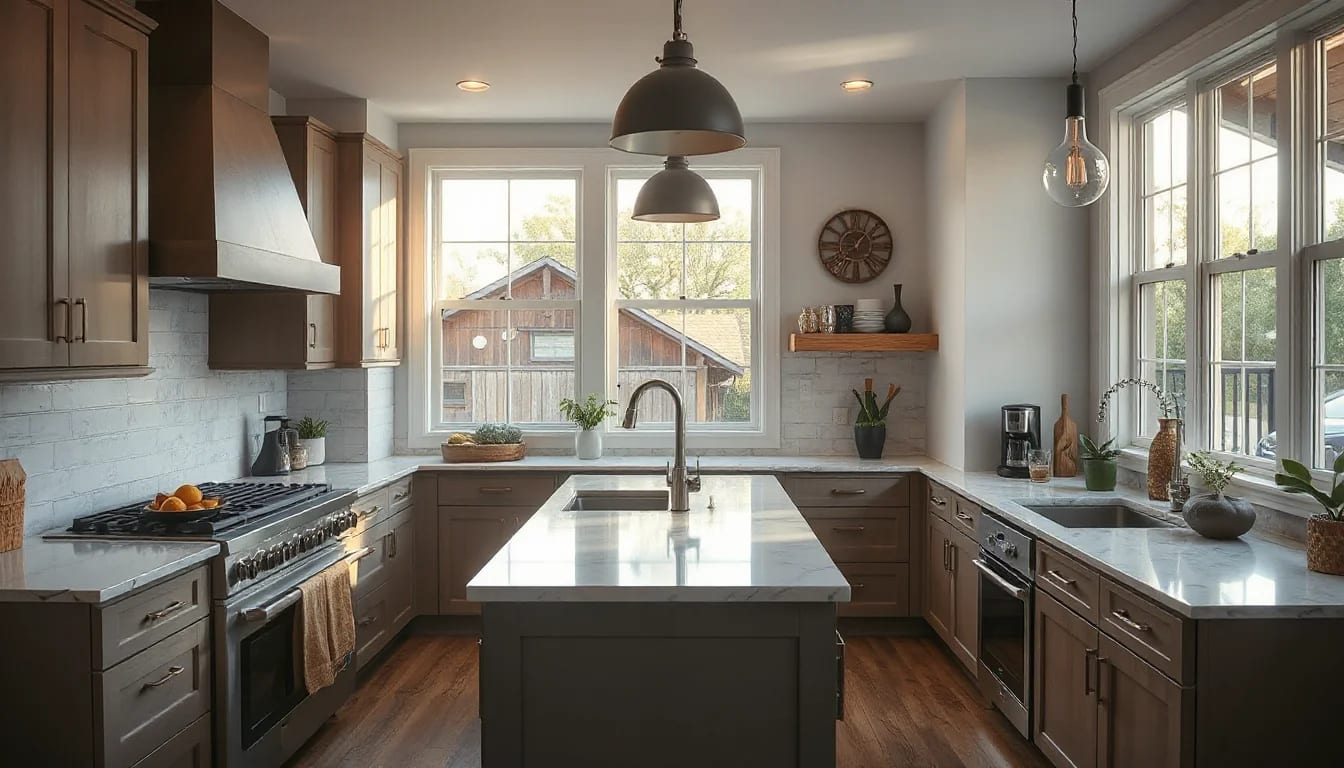
Energy-efficient upgrades can make a home more comfortable through North Carolina’s humid summers and cool winter stretches while helping owners manage utility use. The most effective plan is rarely a single expensive project: start with the home’s envelope, then improve equipment and everyday controls in an order that fits the property and budget.
Start With the Home’s Building Envelope
When homeowners think about energy efficiency, new appliances and solar panels often get the attention first. Yet many of the best improvements in The Triangle begin with less visible details: air sealing, insulation, ductwork, and windows. If conditioned air can escape through gaps in an attic, crawlspace, around recessed lights, or at exterior penetrations, heating and cooling equipment has to work harder to maintain a steady indoor temperature.
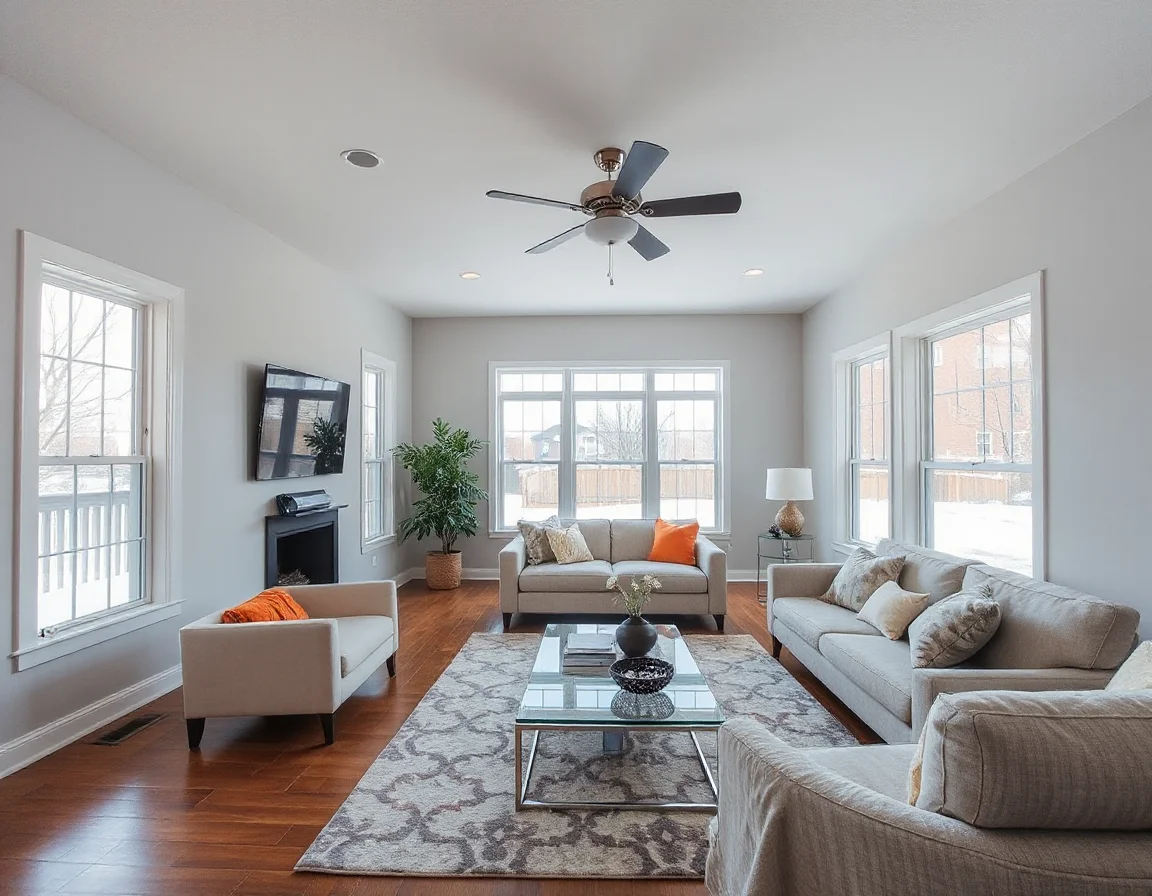
Air sealing is often a practical first move. A qualified home performance professional can identify common leakage points and recommend targeted sealing before additional insulation is installed. Attics deserve special attention because heat naturally rises, and summer sun can substantially raise attic temperatures. In many Triangle homes, improving attic insulation after sealing gaps can reduce uneven temperatures between floors and lessen the strain on an HVAC system.
Crawlspaces also matter in this region’s warm, humid climate. Moisture management, properly installed insulation, and well-maintained vapor barriers can support comfort and help protect building materials. The right approach depends on the home’s construction, drainage, existing ventilation, and condition, so it is worth getting recommendations tailored to the property rather than applying a one-size-fits-all solution.
Before replacing major equipment, ask for an energy assessment or HVAC evaluation. Finding duct leaks and insulation gaps first may help a new system perform closer to its intended capacity.
Windows can be another meaningful piece of the envelope, but full replacement is not always the first upgrade to make. Weatherstripping, caulk, storm solutions, window coverings, and repairs may improve comfort at a lower initial cost when windows are otherwise in sound condition. When replacement does make sense, look for products with appropriate efficiency ratings for North Carolina’s mixed-humid climate and consider how orientation, shading, and glass specifications affect heat gain.
Prioritize Heating, Cooling, and Smart Controls
Heating and cooling typically represent a substantial share of household energy use, which makes HVAC maintenance and replacement decisions especially important. The Triangle experiences long cooling seasons, frequent humidity, and occasional winter cold snaps. A system should be selected for the home’s actual heating and cooling load—not simply by choosing the largest available unit.
Proper sizing begins with a room-by-room load calculation. Oversized systems can cycle on and off too frequently, which may reduce humidity control and create inconsistent temperatures. A correctly sized, high-efficiency heat pump or air-conditioning system, paired with properly sealed ducts, can deliver a noticeable comfort improvement. Features such as variable-speed operation and zoning may be worth discussing for homes with multiple levels, additions, or rooms that heat up differently throughout the day.
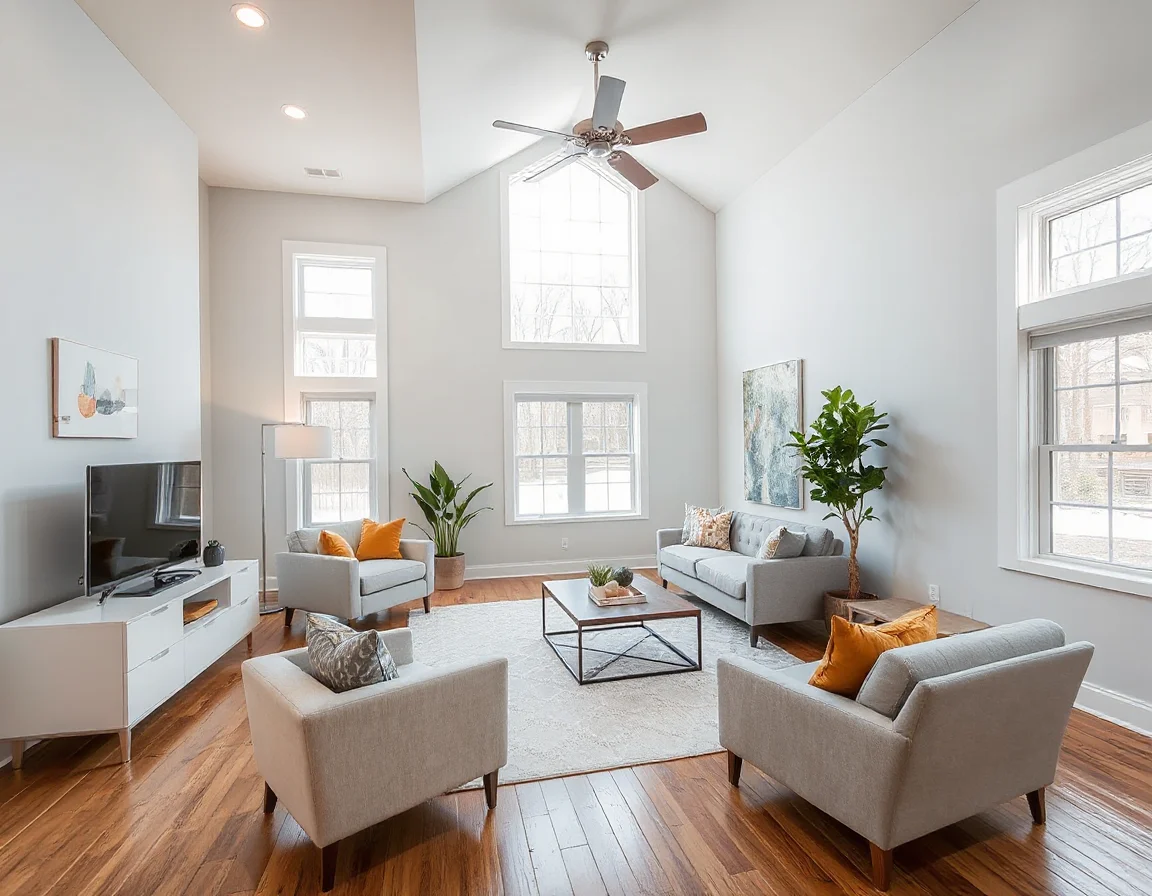
A programmable or smart thermostat is a modest upgrade that can support better day-to-day control. The goal is not to let a home become uncomfortably warm or cold; it is to set a consistent schedule that reflects when rooms are typically occupied and to make small adjustments during travel or changing weather. Remote monitoring can also be useful for checking settings, receiving maintenance reminders, and noticing unusual temperature patterns.
Ceiling fans are another straightforward tool. They do not lower the room’s temperature, but they move air and can help occupants feel more comfortable at a slightly different thermostat setting. In summer, a counterclockwise fan direction generally creates a downward breeze; in winter, a low-speed clockwise setting can help circulate warm air near the ceiling. Turning fans off when rooms are unoccupied keeps the energy benefit focused on comfort rather than unnecessary runtime.
Regular maintenance protects efficiency. Replace filters on the schedule recommended for the system and household conditions, keep outdoor equipment clear of leaves and debris, and arrange professional service when performance changes. These small habits will not replace needed repairs, but they can help equipment operate more reliably.
Search homes for sale in The Triangle
Make Everyday Upgrades That Add Up
Once the home’s shell and HVAC priorities are understood, smaller upgrades can create useful savings and convenience. LED lighting is a familiar example: it uses less electricity than many older bulb types, lasts longer, and is available in a broad range of color temperatures. Choosing warm, neutral, or daylight-style bulbs is largely a matter of personal preference and the room’s function.
Water heating is another area to review. Lowering an excessively high water-heater setpoint, insulating accessible hot-water pipes, repairing drips promptly, and choosing efficient fixtures can reduce wasted hot water. When a replacement is needed, compare conventional tank, heat-pump, and tankless options based on household usage patterns, available installation space, electrical capacity, and expected maintenance requirements.
Kitchen and laundry equipment can also support an efficient home, especially when older appliances reach the end of their service life. Look beyond the purchase price to estimated energy and water use, capacity, cycle options, and installation needs. A high-efficiency washer may reduce water use, while a heat-pump dryer can offer lower energy consumption in some situations. As with HVAC equipment, the best choice should fit the property and the way the appliance will be used.
Keep receipts, product specifications, contractor documentation, and before-and-after utility records for major improvements. They can help track results and provide useful context when preparing a home for sale.
Plan Upgrades With Resale and Long-Term Care in Mind
Energy improvements can support a home’s market appeal, but their value is strongest when the work is well documented and appropriate for the property. Buyers often appreciate clear maintenance records, recent service invoices, product warranties, utility information when available, and straightforward explanations of upgrades. Avoid assuming that every project returns its full cost at resale; instead, weigh comfort, durability, operating costs, and marketability together.
For homeowners considering a sale, it can be helpful to separate essential repairs from optional enhancements. A malfunctioning HVAC system, visible moisture issue, or deteriorated weather sealing may require attention before listing. By contrast, a major equipment upgrade that is functioning well may be better evaluated in light of timing, budget, and local buyer expectations. An experienced real estate professional can help organize that conversation around the home’s condition and current competition.
The most successful energy-efficiency plans are phased. Address moisture and air leaks, verify insulation and duct performance, maintain or replace heating and cooling equipment thoughtfully, then add efficient controls and appliances over time. That approach can make a Triangle home feel more consistent season after season while allowing each investment to build on the last.