

A focused maintenance checklist can help buyers look beyond fresh paint and help sellers address the small issues that can distract from an otherwise strong home. In North Carolina’s Triangle market, moisture management, HVAC performance, roofing, and exterior drainage deserve particular attention. Use this guide to organize your next steps, ask better questions, and approach the transaction with fewer surprises.
Start With the Systems That Protect the Home
Whether you are preparing a property for sale or evaluating one before making an offer, begin with the systems that keep the structure dry, comfortable, and functional. Cosmetic updates may influence first impressions, but the condition of a roof, heating and cooling equipment, plumbing, electrical components, and drainage can have a much larger impact on planning and negotiations. A practical checklist gives every home buyer or seller a consistent way to separate routine upkeep from items that may need professional evaluation.
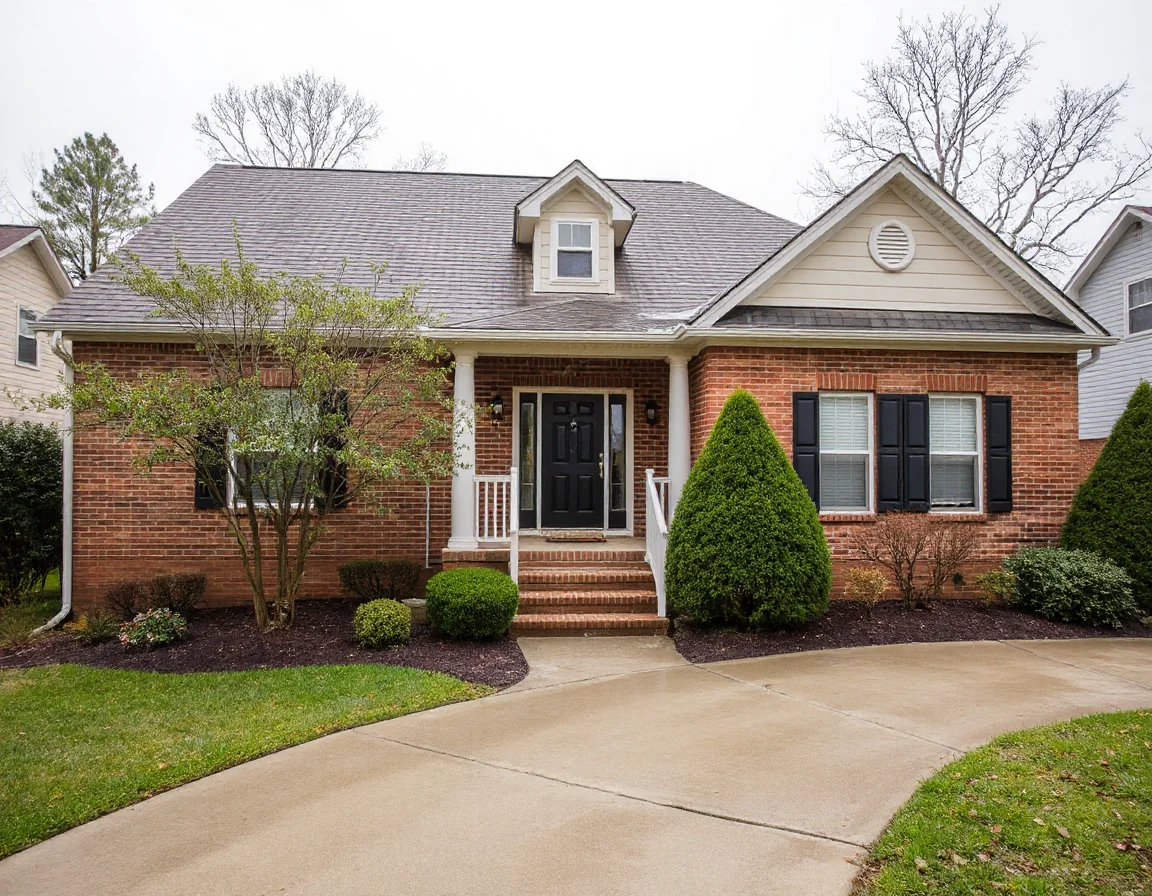
Begin outside. Walk the perimeter slowly and look at the roofline, gutters, downspouts, siding, trim, foundation, walkways, and grading. In the Triangle’s humid summers and periods of heavy rain, clear gutters and properly directed downspouts are especially important. Water should move away from the foundation rather than collecting near exterior walls. Look for peeling trim paint, soft wood, damaged caulk around windows, standing water, or soil that appears to slope toward the home.
Roofing deserves its own review. From the ground, note missing or curled shingles, visible debris, sagging areas, flashing that appears loose, and dark streaks that may indicate algae or moisture retention. Sellers can gather records showing when the roof was installed or repaired. Buyers should avoid guessing at remaining roof life and instead rely on a qualified inspector or roofing professional when concerns arise. Documentation is useful, but it does not replace a current evaluation of visible condition.
Inside, test the basics without trying to perform an inspection yourself. Run faucets briefly, flush toilets, check under sinks for evidence of leaks, and note whether water pressure changes dramatically when more than one fixture is running. Operate lights and accessible switches, check that doors latch, and observe whether windows open and close as expected. If the home includes a fireplace, pool, septic system, well, solar equipment, or other specialized feature, add those items to your list early so there is time to arrange appropriate inspections.
A small drainage concern can become more meaningful after a heavy Triangle rain. Ask about recent water-management work, then revisit the property’s grading and gutter discharge with that information in mind.
Give Heating, Cooling, and Moisture Control Extra Attention
Climate control is more than a comfort feature in central North Carolina. Air conditioning, ventilation, insulation, and dehumidification all influence how a home handles long stretches of heat and humidity. Ask for the age, service history, and maintenance records for the HVAC system, including any separate units serving different parts of the property. A clean filter is encouraging, but a complete record of seasonal servicing can provide a more useful picture of ongoing care.
During a showing, notice unusual odors, loud cycling, inconsistent temperatures between rooms, or supply vents with weak airflow. These observations are not a diagnosis, yet they are worthwhile notes for the inspection period. Sellers who know of a recurring issue should discuss accurate disclosure obligations with their real estate professional. Clear information and organized service records can make a buyer’s review more efficient and reduce last-minute uncertainty.
Moisture should also be on the checklist in crawlspaces, attics, basements, bathrooms, laundry areas, and around windows. Watch for staining, musty odors, deteriorated insulation, condensation, or apparent past repairs. Many Triangle homes have crawlspaces, and their condition can be affected by ventilation, vapor barriers, drainage, and seasonal humidity. A licensed home inspector can identify conditions that merit further review by the appropriate specialist.
Do not overlook the water heater. Check its approximate age, visible connections, drain pan where applicable, and surrounding area for signs of leakage. It is also useful to ask whether the property has a tank or tankless system, what fuel source it uses, and whether any equipment is leased. A concise equipment list can help buyers budget for future maintenance and help sellers answer routine questions without searching through years of paperwork.
Review the home-buying process
Create a Seller Plan That Prioritizes Clarity Over Perfection
Preparing to sell does not require making every component brand new. It does mean presenting the home in a way that makes its condition easier to understand. Start with deferred maintenance that is visible or likely to come up in an inspection: loose handrails, leaking faucets, damaged screens, worn weatherstripping, malfunctioning exhaust fans, and exterior wood rot are common examples. Addressing straightforward repairs before listing can help keep attention on the property’s strongest features.

Next, complete the maintenance tasks that improve everyday function. Replace burned-out bulbs, service the HVAC system if due, clean gutters, secure loose cabinet hardware, recaulk where needed, and make sure smoke and carbon monoxide alarms are in appropriate working order. Keep receipts and invoices in one folder. Buyers often appreciate a simple maintenance summary that identifies major improvements, service dates, warranties that may transfer, and the professionals who completed the work.
Presentation matters, but it works best when paired with sound upkeep. A carefully cleaned kitchen, organized utility room, and accessible electrical panel make it easier for visitors and inspectors to see the home clearly. Remove excess items from attics, garages, crawlspace entrances, and mechanical closets where possible. This step supports access for inspections and can make routine maintenance feel more manageable to the next owner.
For larger projects, consider the likely return before beginning work. Replacing a failed component is different from renovating an entire room immediately before a sale. Local market conditions, the home’s current condition, and comparable properties all matter. A knowledgeable real estate professional can help sellers decide which improvements may support marketability and which projects may be better left to the buyer’s future plans.
Use the Inspection Period as a Planning Tool
For buyers, the inspection period is an opportunity to learn how the property operates. Attend when possible, take notes, and ask the inspector to explain maintenance priorities in plain language. Most homes will have a list of observations, including properties that have been well cared for. The key is understanding the difference between routine maintenance, repairs that should be addressed soon, and conditions that require additional investigation.
It can help to group findings into three categories: immediate safety or water-intrusion concerns, near-term repairs, and long-term budgeting items. This creates a clearer conversation than reacting to every line item at once. Your agent can help you consider available options within the contract timeline, while qualified inspectors and contractors can provide more detail about issues outside a general inspection’s scope.
The most useful checklist is not a pass-or-fail scorecard. It is a record of what the home needs now, what can be scheduled later, and which questions deserve a specialist’s answer before closing.
For sellers, a pre-listing walkthrough can reveal items worth resolving before photographs and showings begin. For buyers, a systematic review can bring confidence to decisions about maintenance reserves after closing. In either case, keep the process grounded in facts, professional guidance, and a realistic understanding that every property requires ongoing care.
Search Triangle homes for sale
Keep the Checklist Working After Closing
A home maintenance checklist is most valuable when it continues beyond the transaction. Save inspection reports, receipts, warranties, paint information, appliance manuals, and a calendar of seasonal tasks. In the Triangle, many owners schedule HVAC servicing before peak cooling season, clear gutters after heavy leaf fall, check exterior caulk and drainage before rainy periods, and monitor crawlspaces or attics for moisture changes.
Buying or selling is a major transition, but maintenance planning does not have to be complicated. Focus first on water, structure, safety, and essential systems; document what you learn; and bring in qualified professionals when a condition needs expert evaluation. That straightforward approach can help sellers prepare with purpose and help buyers move forward with a better understanding of the home they are considering.