
Smart pre-listing upgrades can help a home in The Triangle show better online, attract stronger interest at showings, and support cleaner pricing conversations. The best return usually comes from improvements buyers notice immediately: paint, lighting, flooring condition, curb appeal, and kitchens or baths that feel fresh without becoming full remodel projects. If you are deciding where to spend and where to save, a focused plan often outperforms a long wish list.
Where Sellers Often See the Best Payoff
In The Triangle, listing strategy is rarely about doing everything. It is about making the property feel well-maintained, current, and easy to understand the moment someone sees the photos. Buyers browsing homes in Raleigh, Durham, Chapel Hill, Cary, and surrounding communities compare listings quickly, so the upgrades that improve first impressions often carry more weight than expensive behind-the-scenes projects that are hard to spot in marketing.
A strong return on investment usually starts with cosmetic clarity. Fresh neutral paint, repaired wall scuffs, updated cabinet hardware, modern light fixtures, and professionally cleaned flooring can transform how a home reads in person and on screen. These projects are typically more budget-friendly than tearing out entire rooms, and they remove visual friction that can make a property seem dated or poorly maintained.
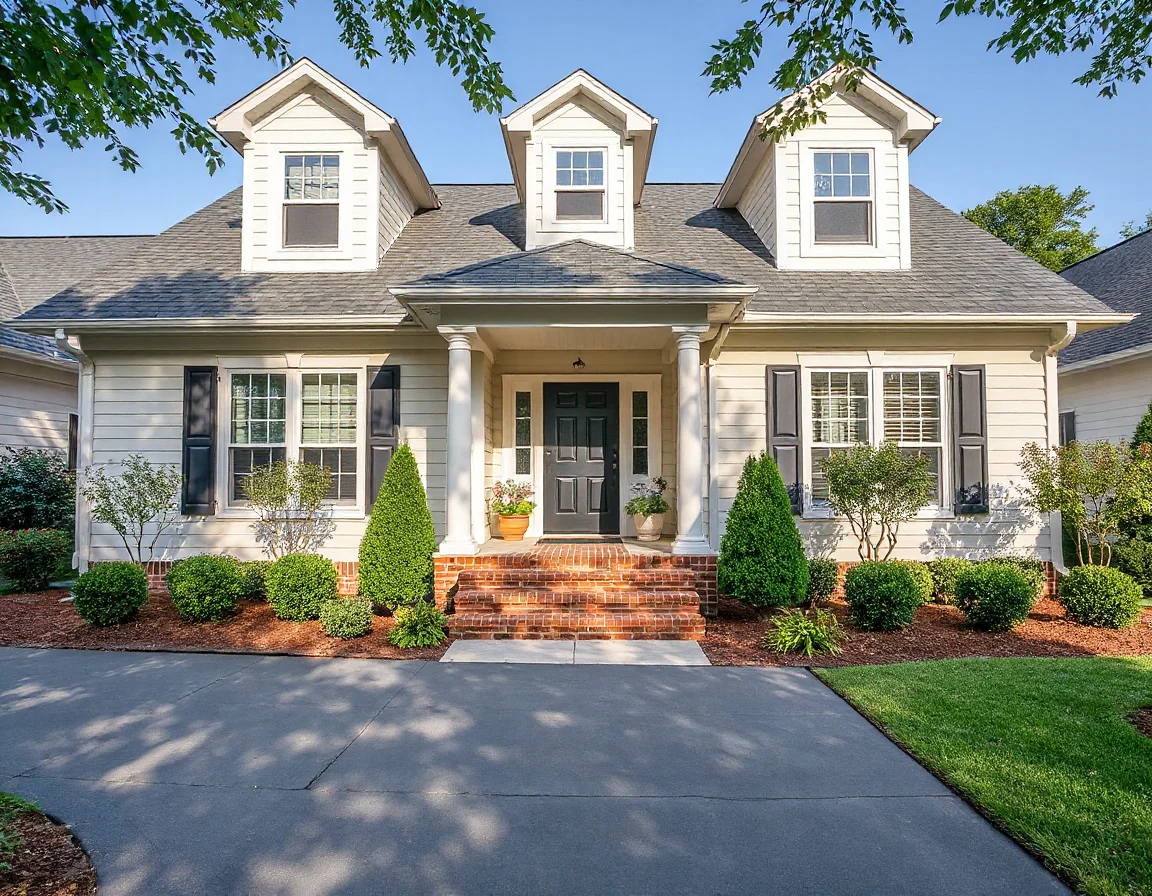
Curb appeal matters too, especially because the exterior image often becomes the first thumbnail that introduces a listing. Trimming overgrowth, refreshing mulch, pressure washing hard surfaces, and repainting the front door can create a cleaner and more intentional presentation. That does not mean every home needs a total landscape overhaul. In many cases, a neat, balanced exterior gives buyers confidence that the rest of the property has been cared for with the same attention.
If an upgrade will be visible in listing photos within the first few seconds of a buyer scrolling, it is usually worth extra consideration. Visual impact and perceived condition often move the needle faster than highly customized improvements.
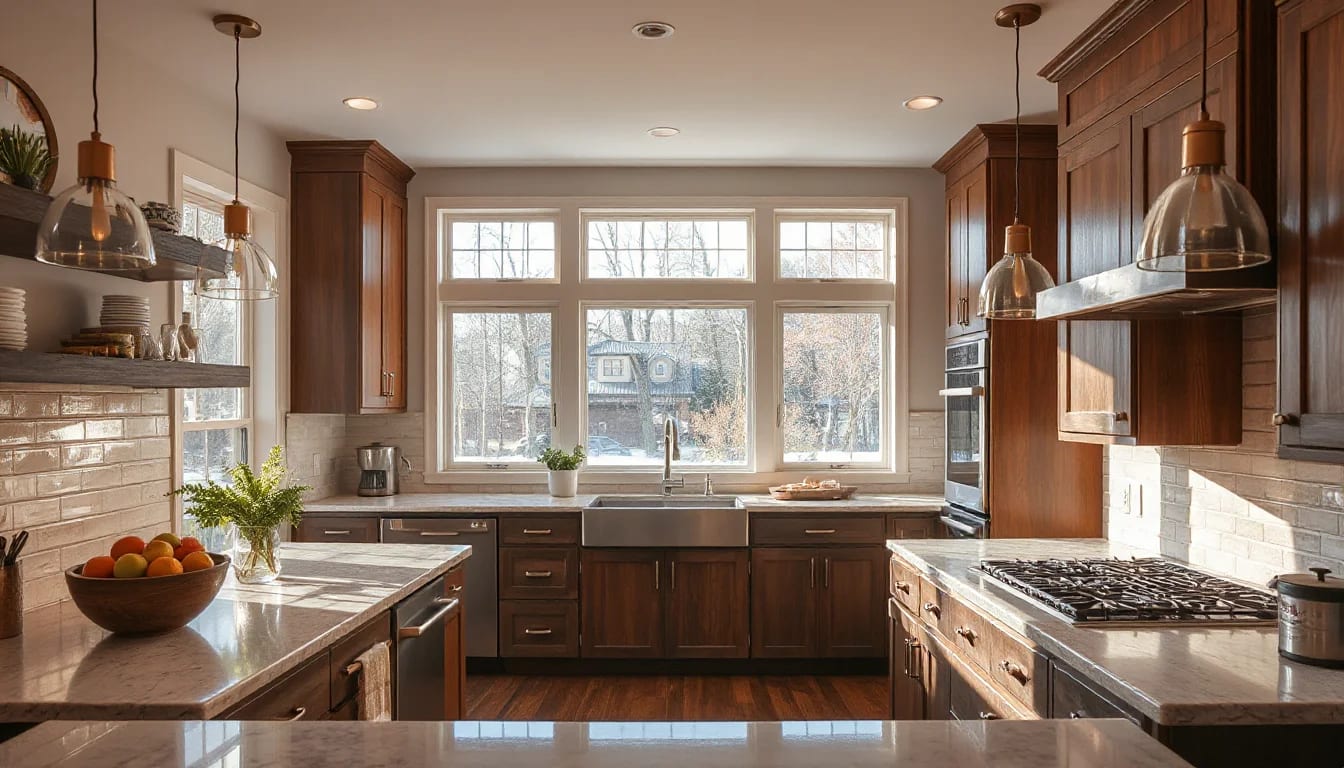
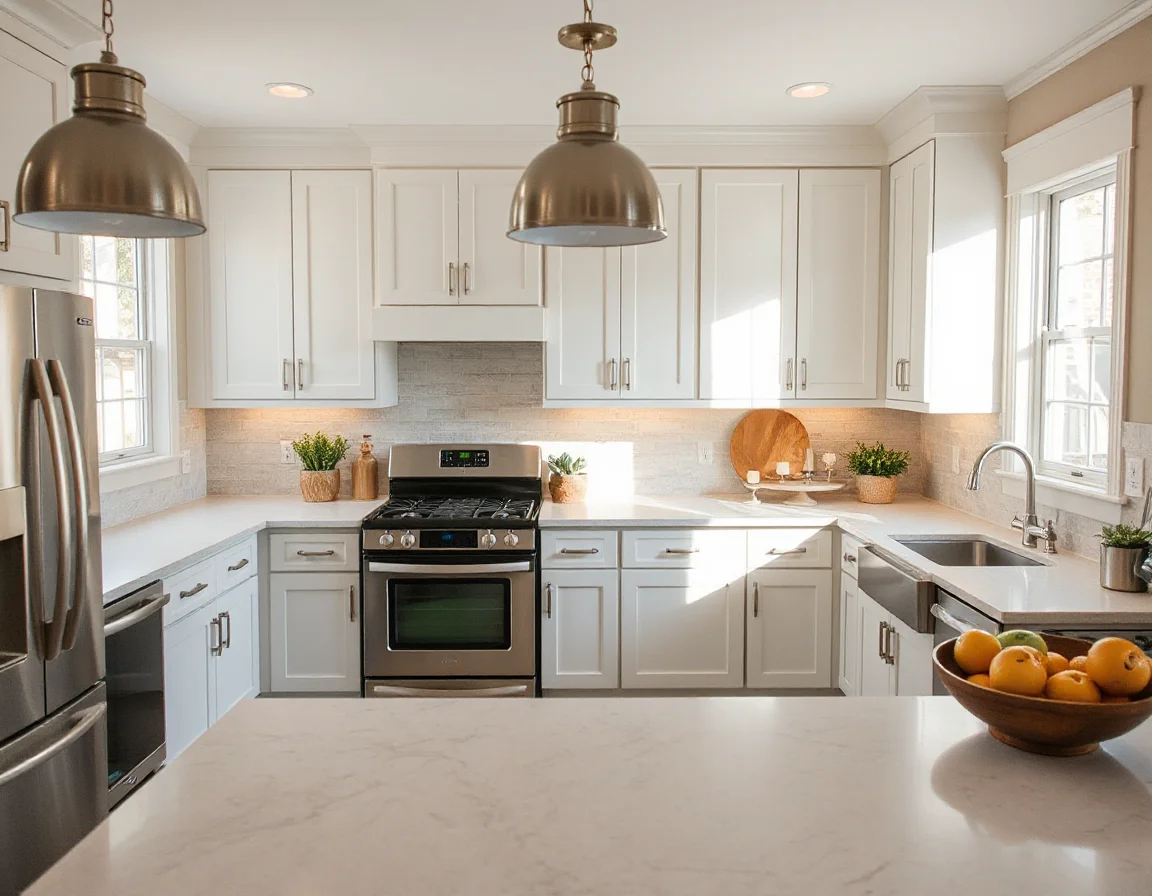
Kitchen and bath improvements often land in the middle ground. Full remodels can make sense in specific situations, but many sellers benefit more from selective updates: resurfacing worn counters, replacing an outdated faucet, improving vanity lighting, regrouting tile, or painting cabinets when their condition supports it. The goal is not to chase every trend. The goal is to create a finish level that feels consistent with the price point and competitive inventory.
How to Match Upgrades to Price Range and Competition
The most effective upgrade plan depends on the home’s likely position in the market. A property competing in a fast-moving price range may benefit most from speed, cleanliness, and broad appeal. A higher-end listing may need more polish, especially where buyers expect cohesive finishes, stronger lighting design, and a more elevated presentation. Either way, return on investment is tied to local expectations, not a generic checklist pulled from another market.
That is why comparative analysis matters before work begins. If nearby listings with updated paint, refreshed kitchens, and improved outdoor presentation are setting the standard, then skipping those items may weaken your pricing power. On the other hand, if comparable homes are selling well without luxury-level renovations, overspending can reduce your net proceeds without creating a meaningful pricing advantage.
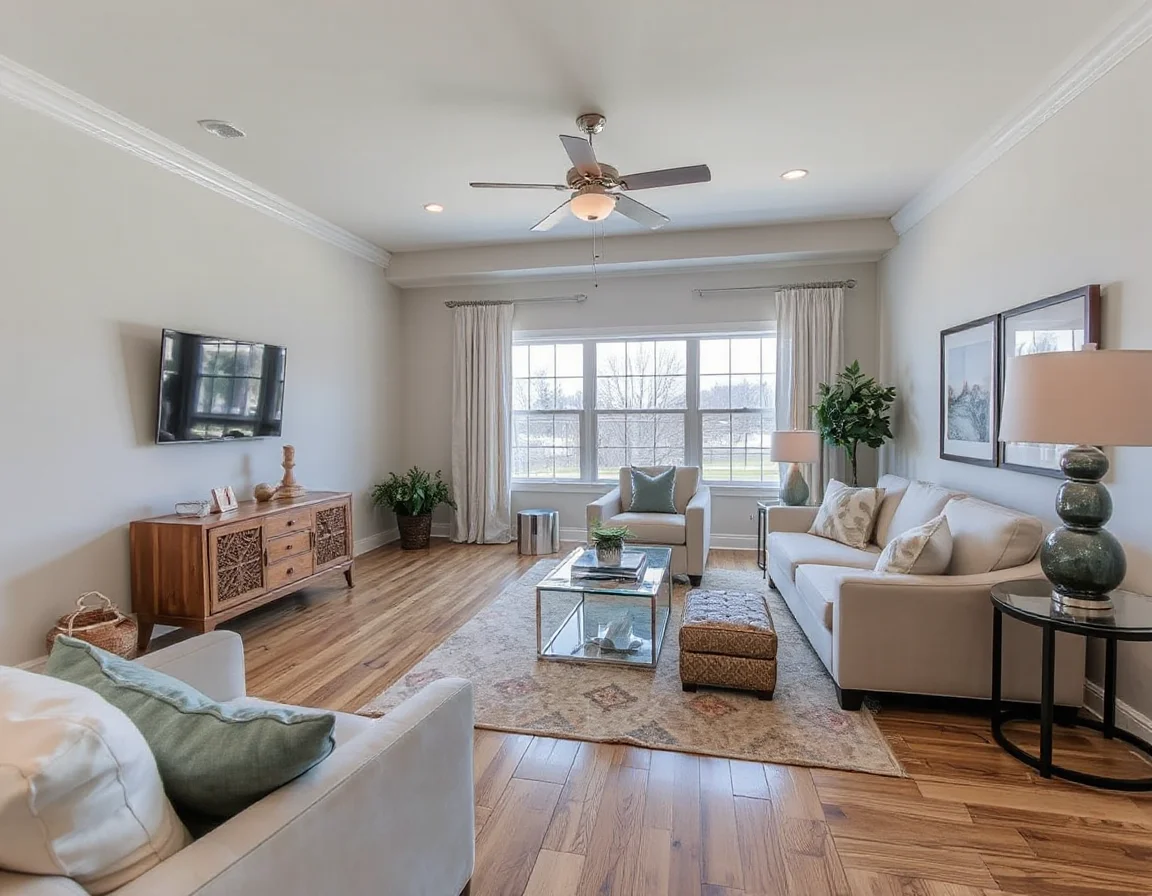
Flooring is one area where condition can strongly influence perception. Buyers notice stained carpet, chipped tile, and heavily scratched wood surfaces quickly. In many homes, replacing worn carpet, refinishing hardwoods, or using a consistent flooring approach in key living areas can make rooms feel larger and more current. It also helps photos read as clean and cohesive, which supports stronger digital engagement before anyone steps through the door.
Lighting is another understated upgrade with outsized impact. Swapping dated fixtures, increasing bulb brightness where appropriate, and balancing color temperature across the home can make interiors feel more inviting and easier to photograph. In older homes, this simple change can sharpen the overall presentation without requiring structural work or major expense.
A home does not need to look brand new to compete well. It needs to look cared for, correctly priced, and visually consistent from room to room.
See practical steps for preparing your home to sell
It also helps to think about deferred maintenance separately from optional upgrades. Buyers may tolerate a cosmetic finish they plan to change later, but visible maintenance issues can trigger concern about larger hidden costs. Loose handrails, damaged trim, missing caulk, roof stains, HVAC service gaps, or plumbing drips can distract from the rest of your improvements. Addressing those items first often protects the value of every dollar you spend elsewhere.
What to Avoid When Chasing ROI
One of the most common mistakes sellers make is choosing highly personalized updates right before listing. Bold wallpaper, unusual tile patterns, specialty built-ins, or niche design choices can be beautiful, but they do not always strengthen broad market appeal. Before spending on something distinctive, it is worth asking whether the change will help the home photograph better, feel more functional, or simply reflect an individual taste that may not translate into stronger offers.
Another misstep is renovating beyond the neighborhood or price bracket. A top-tier luxury appliance package in a home where surrounding inventory does not support that level of finish may not bring back its full cost. The same goes for premium materials in secondary spaces that buyers will appreciate but may not value enough to increase offers proportionally. Smart listing preparation is usually about alignment, not excess.
Over-improving timeline-sensitive listings can also create unnecessary friction. If market timing, relocation, estate planning, or a job transition affects your sale, the best strategy may be a shorter list of high-impact projects completed well and on time. A half-finished renovation or a delayed launch can undermine the very return you were trying to create.
Professional cleaning, staging guidance, and a thoughtful repair list often produce more value than sellers expect. Even in homes with older finishes, orderly presentation can improve room flow, highlight storage, and make the property feel move-in ready in the ways that matter most. Small details such as matching bulbs, clean grout lines, polished mirrors, and uncluttered counters can elevate the impression of the entire home.
Talk with our team about a pre-listing upgrade plan
A Smarter Way to Build Your Listing Strategy
The strongest ROI usually comes from seeing your home the way the market will see it. That means evaluating condition, finish level, photo appeal, timing, and competitive inventory together instead of making upgrade decisions in isolation. For some sellers, that points to a short cosmetic refresh. For others, it may justify targeted work in kitchens, baths, or flooring before launch.
In The Triangle, where buyers often compare a wide mix of newer construction, established neighborhoods, townhomes, and resale properties, the homes that stand out tend to be the ones that feel intentional from the start. Clean lines, consistent finishes, strong lighting, and visible maintenance create confidence. That confidence can support better showing activity, steadier negotiations, and a clearer path from listing day to closing table.
If you are preparing to sell, think less about dramatic transformation and more about strategic presentation. The right upgrades are the ones that help your home compete where it counts most: first impressions, perceived condition, and pricing credibility.